From the “Super Peso” to a Safe Haven in Foreign Currency: Why Mexico Views Regional Dollarization with Caution
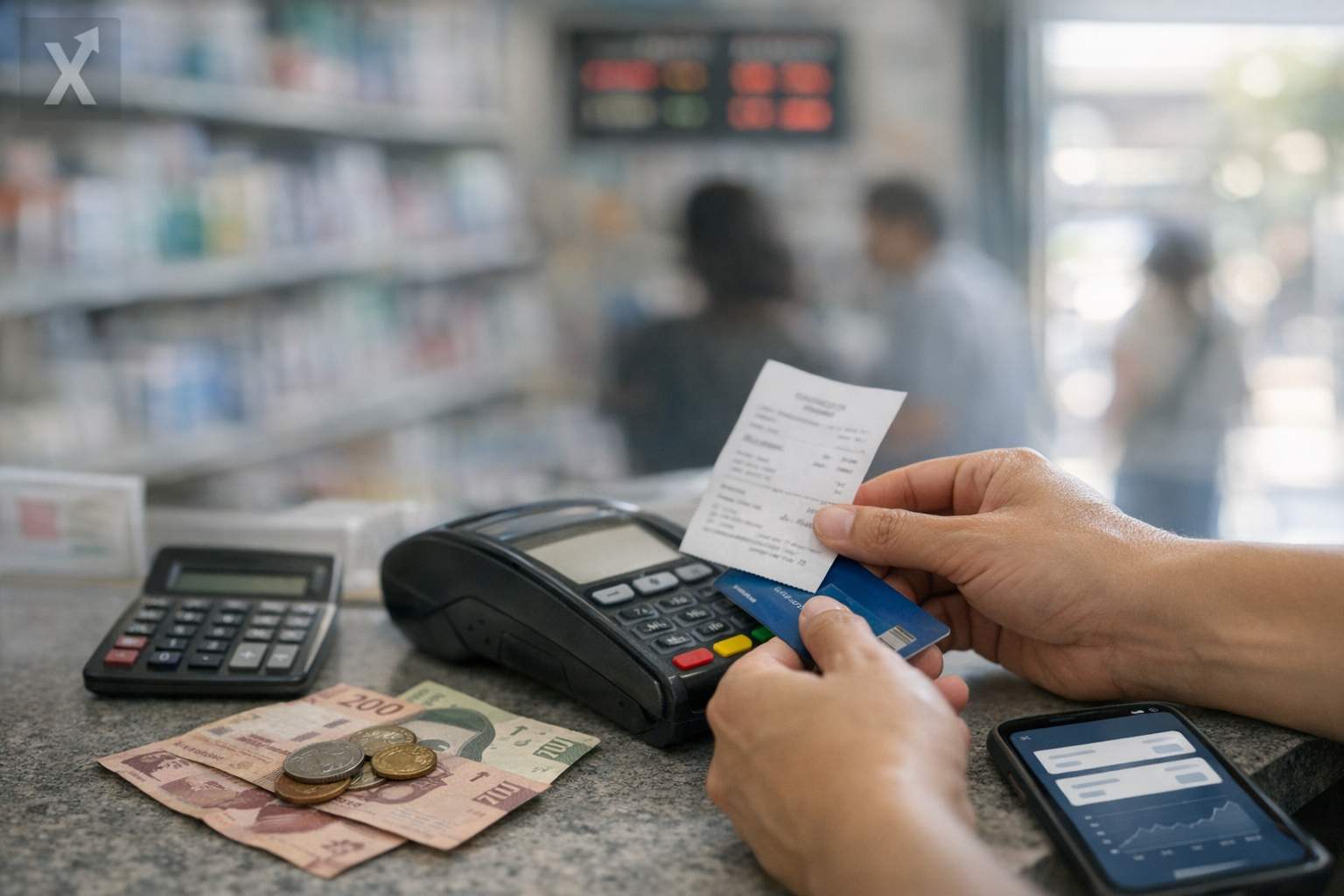
Across much of Latin America, the growing use of the U.S. dollar in everyday transactions has been the response—formal or informal—to prolonged bouts of inflation, devaluations, and eroding trust in institutions. Mexico watches that phenomenon from a different position: it is not dollarized and it maintains a macroeconomic framework that, with its ups and downs, has preserved demand for the peso. Even so, the experience of countries such as Ecuador, El Salvador, Venezuela, or Argentina serves as a reminder that monetary stability is never guaranteed and depends on fiscal credibility, clear rules, and a central bank with autonomy and a well-defined mandate.
The contrast is obvious in daily life. In Mexico, prices are listed and paid in pesos; the use of dollars is concentrated in tourism, border areas, and certain niche markets (dollar-denominated rents in corporate corridors, foreign trade, digital platforms). In Venezuela and Argentina, by contrast, the dollar became a unit of account and a store of value for households and businesses long before any legal decision. That “shortcut” often eases inflation in the short run, but it tends to deepen inequality: those who earn or save in dollars protect their purchasing power; those paid in local currency remain exposed to volatility and price indexation.
For Mexico, the core lesson is institutional. The independence of Banco de México, the inflation-targeting regime, a well-capitalized banking system, and a relatively deep domestic debt market have served as anchors to avoid currency-substitution dynamics. Mexico’s economy also benefits from deep productive integration with the United States, which generates steady flows of exports, investment, and remittances that provide foreign-currency liquidity without requiring the country to give up the peso. However, that same integration also amplifies the sensitivity of the exchange rate and domestic interest rates to what happens at the Federal Reserve, the North American industrial cycle, and episodes of global risk aversion.
In recent years, the so-called “super peso”—a strong peso against the dollar driven by interest-rate differentials, capital inflows, and improved terms of trade in certain periods—helped contain imported inflation pressures, but it also opened a competitiveness debate for some exporters and suppliers integrated into global supply chains. An appreciated peso makes imports cheaper and can help moderate prices, but it also reduces peso-denominated revenue for those who bill in dollars, pushing companies to fine-tune FX hedges, productivity, and pricing strategies.
Monetary policy is a key dividing line with dollarized economies. While Ecuador or El Salvador gave up the exchange-rate tool and their own money issuance—gaining nominal stability but losing shock absorbers—Mexico retains room to adjust: interest rates, central-bank communication, and a flexible exchange rate that absorbs part of external turbulence. That room, however, requires discipline: persistent deficits or signs of institutional weakening raise the risk premium, make financing more expensive, and can unanchor expectations. In other words, Mexico still has tools—but it also faces scrutiny from markets that react quickly.
For businesses and households, “dollarization” in Mexico shows up more as risk management than as outright currency replacement. Large corporations often hedge and raise financing across different markets; importers and exporters use natural hedges; families with cross-border ties save in dollars out of convenience or caution. The challenge for Mexico’s economy is ensuring that this behavior does not become the general norm due to a loss of confidence—something that historically happens when high inflation, controls, regulatory uncertainty, and fiscal deterioration combine. Today, with inflation more moderate than at the post-pandemic peak but with pressure from services and wages, the focus is on maintaining a credible path for prices and public finances.
Looking ahead, the risk is not “Ecuador-style” dollarization, but rather an environment in which external shocks (energy, logistics, geopolitical tensions), a U.S. slowdown, and financial volatility test the peso’s resilience. In that scenario, Mexico’s strength lies in its shock absorbers: a central bank with a clear mandate, a supervised financial system, and the ability to attract investment through nearshoring if bottlenecks in energy, water, security, and regulatory certainty are addressed. If those pieces move forward, the peso can remain a functional anchor; if they stall, the temptation to “take shelter” in the dollar grows, even if only partially.
In short, dollarization in the region shows that using the dollar can stabilize prices in the short term, but it does not replace institutions or reforms. For Mexico, the priority is preserving credibility and competitiveness: keeping inflation under control, maintaining fiscal discipline, and improving the conditions for investment. That combination reduces the incentive to dollarize and strengthens the ability to weather shocks without giving up independent monetary policy.






