U.S. Raspberry Growers Call for Halt on Mexican Imports Ahead of USMCA Review
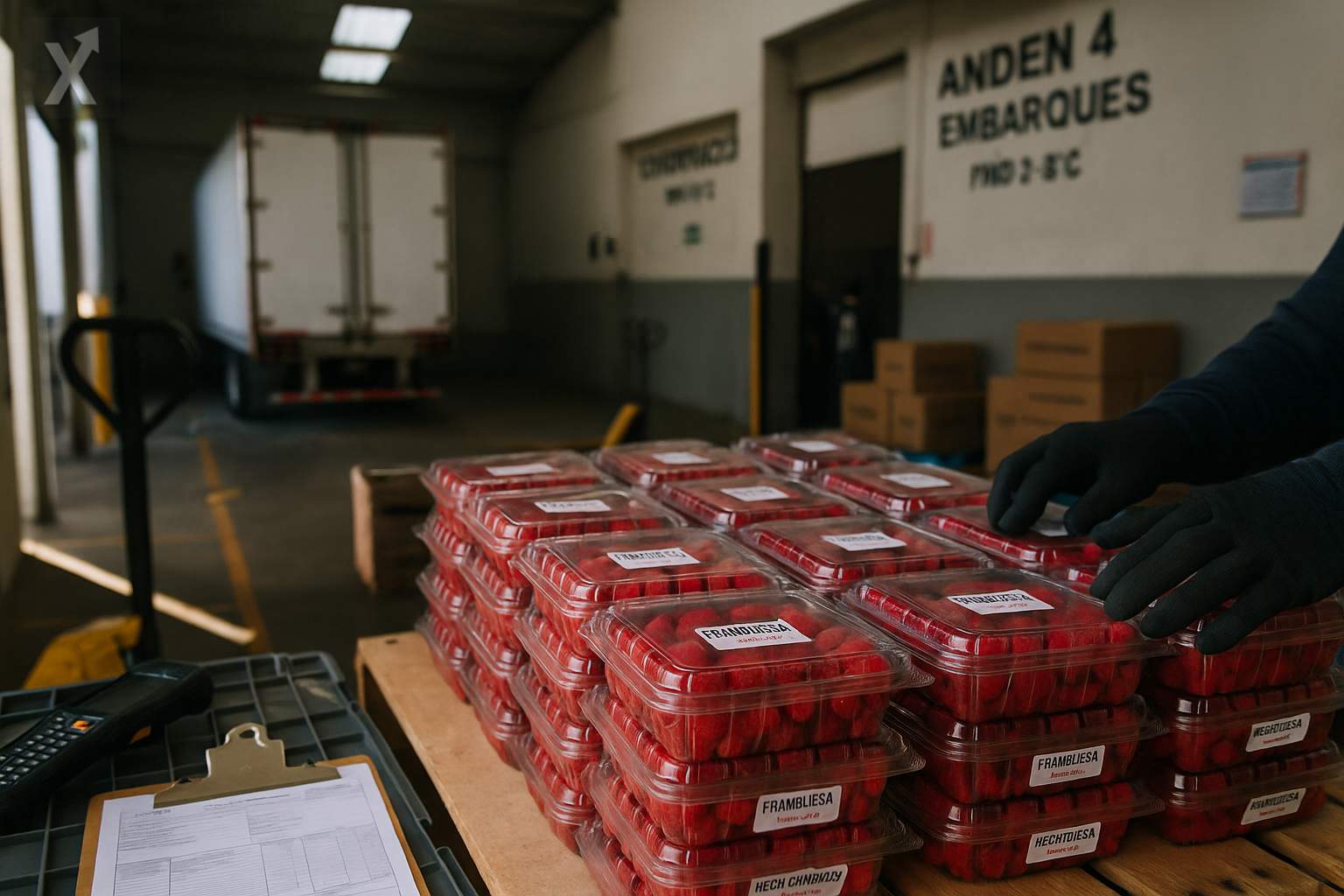
In the lead-up to the six-year review of the USMCA, raspberry growers in Washington state have stepped up their lobbying efforts with the Office of the United States Trade Representative (USTR) to curb the growing presence of Mexican supply. In recent public hearings, the Washington Red Raspberry Commission argued that imports from Mexico are pushing prices down and squeezing the margins of a local industry that, they claim, is operating at the brink. Their concerns are set against a backdrop of a widening U.S. agricultural trade deficit, which, according to sector estimates, could reach $49 billion in 2025, heightening sensitivity to competitive shocks in specialty crop markets.
Washington producers say cost comparisons put them at a disadvantage: while their berries sell for between $2.70 and $2.80 per pound, Mexican raspberries are offered at around $1.50 per pound. They attribute this gap to lower labor costs in Mexico, less burdensome regulations, and logistical efficiencies stemming from proximity and the rules under the USMCA. According to industry data, Mexico produced roughly 175,500 tons of raspberries in 2024, with most production concentrated in Jalisco, followed by Michoacán and Baja California. The bulk of shipments are destined for the United States, although Mexico’s export network has expanded to Canada, Europe, the Middle East, and Asia.
This debate is not new. A Section 332 study by the U.S. International Trade Commission published in 2021 had already documented Mexico’s growing weight as a supplier of fresh and frozen raspberries. Since then—Washington growers argue—the trend has accelerated: their own production has fallen while Mexican imports have grown at a faster pace. The industry is calling for corrective measures in the upcoming USMCA review, including seasonal tariffs or quotas. For reference, they cite the history of Mexican tomatoes, where the end of suspension agreements has reignited past disputes and triggered antidumping actions, with duties reaching up to 17% in certain periods.
For Mexico, the performance of “red berries” has become one of the most dynamic engines of agri-export growth. The value of raspberry and other berry exports has climbed rapidly in recent years, according to official figures, placing them among the top foreign exchange-earning agri-food products alongside beer, tequila, avocado, and meat. U.S. companies also participate through partnerships or subsidiaries with growers in key Mexican states, further integrating the cross-border supply chain.
The macro context also matters. Appreciation of the peso in 2023–2024, higher input costs, and new labor and environmental requirements in both countries are squeezing margins and forcing efficiency improvements. In the U.S. Northwest, higher farm wages, packaging costs, and energy prices have been underlying factors; in Mexico, increases in minimum wage and regulatory changes have narrowed the cost gap somewhat—but it persists. Added to this are climate vulnerabilities on both sides of the border, affecting harvest schedules and increasing price volatility between fresh and processed berries.
If Washington secures safeguard measures, the impact could be felt in consumer prices in the U.S. during seasonal windows, as well as in the incomes of Mexican growers and packers, with potential regional employment effects. Mexico, for its part, could turn to the USMCA’s dispute resolution mechanisms if it deems any action violates the agreement’s commitments. At the same time, the domestic industry is pushing ahead with market diversification strategies, higher value-added products (frozen, IQF, processed), and sustainability certifications to maintain preferential access and mitigate reputational risks.
Looking ahead to the USMCA review slated for 2026, agriculture will remain under the microscope. What happens on USTR’s calendar, the trajectory of the dollar and the peso, the Farm Bill debate in the U.S., and food inflation will all shape the negotiations. For the raspberry sector, the challenge is to balance competitiveness, compliance, and price stability in a market that’s increasingly integrated—but also increasingly scrutinized.
In summary: pressure from Washington growers reveals mounting tensions in a highly integrated binational market. Mexico’s export boom coexists with complaints over cost differences and squeezed margins in the U.S. How these frictions are addressed in the coming USMCA review will define prices, investment, and jobs on both sides of the border in the years ahead.