Inflation cools in April thanks to electricity, but the basic basket keeps squeezing lower-income households
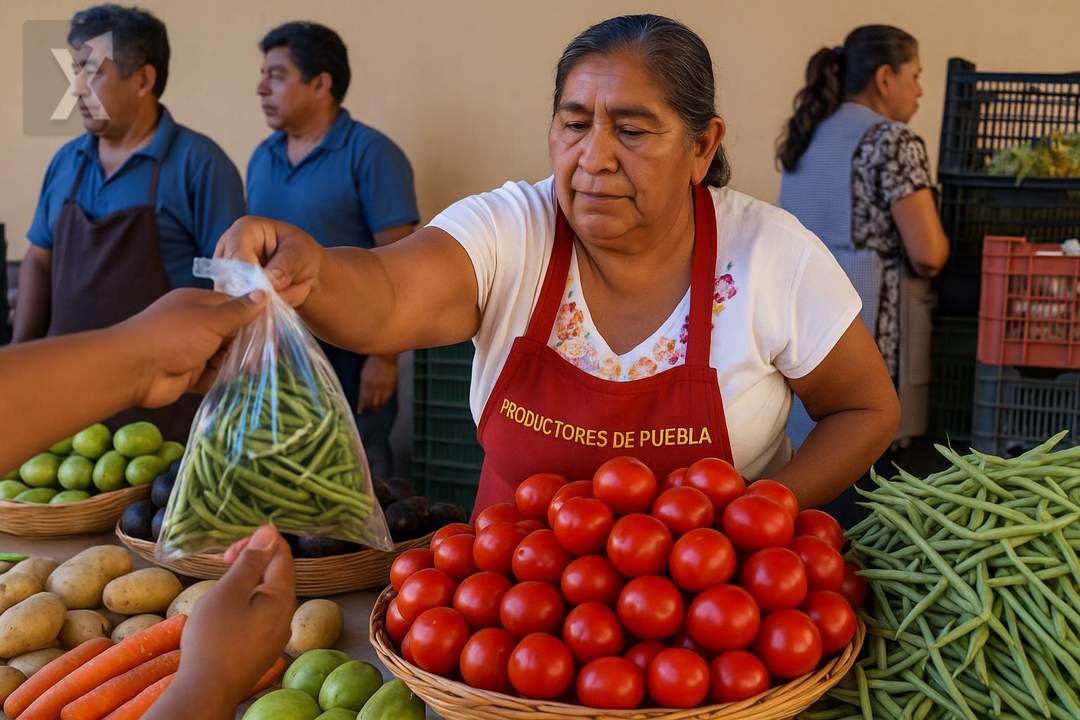
April’s slowdown in the CPI was driven by electricity, while fruits, vegetables, and services kept pressure on the most vulnerable household budgets.
Inflation in Mexico eased in April, largely due to the seasonal reduction in electricity rates tied to the warm-weather program. But the relief wasn’t evenly felt: fresh food and some services continued to rise in price, hitting lower-income households harder.
The National Consumer Price Index (INPC) rose 0.20% month over month in April, putting annual inflation at 4.45%, below March’s reading. The trend confirms a partial deceleration in the most volatile component—non-core inflation—while core inflation, which tends to set the medium-term tone, remained elevated: it increased 0.31% on the month and stood at 4.26% year over year.
In April’s breakdown, the non-core component fell 0.18% month over month, driven by declines in energy prices and government-administered rates, with electricity playing the decisive role. By contrast, the fruits and vegetables category jumped 3.47% on the month and reached a 21.43% annual increase, with sharp gains in everyday items such as tomatoes, chiles, and potatoes.
April’s inflation picture sends a mixed message for Mexico’s economy: on one hand, seasonal electricity discounts help “cool” the headline index; on the other, persistent pressure in food and services continues to erode purchasing power—at a time when household consumption remains an important growth engine, but one that runs into limits when the basic basket rises faster than the overall average.
Beyond fresh foods, notable increases showed up in premium gasoline, LP gas, and prepared food purchased away from home—a sensitive category because it reflects not only input costs but also wages, rent, and logistics. These increases tend to filter more quickly into day-to-day spending for urban families and for workers who rely on transportation to get to their jobs.
Why inflation “hits differently” depending on income
Inflation isn’t experienced the same way by everyone: it depends on what each household consumes and what share of its income goes to those items. Lower-income households devote a larger portion of their spending to food and beverages, so a spike in fruits, vegetables, and staples can be more damaging than a temporary drop in electricity or other less frequently purchased categories. In this regard, recent Citibanamex analyses have warned that in 2026, cumulative inflation has been higher for the most vulnerable households than for the overall average—a reversal from what was seen during part of 2025. Add to that pressure in services such as education, health care, and transportation—categories that are often hard to cut without hurting well-being or productivity.
Looking ahead to the coming months, the main challenge will be the balance between seasonal factors and persistent pressures. Volatility in agricultural products can reverse relatively quickly if supply conditions improve, but services inflation tends to come down more slowly. For Banxico, which targets inflation of 3% ±1 percentage point, the combination of a core rate still above the band and recurring food shocks complicates the path to sustained convergence, even when headline inflation shows temporary breathing room.
On the social front, rising fresh food prices often translate into immediate consumption adjustments—substitutions, lower quality, or smaller quantities—which increases how sensitive poor households are to price spikes. For businesses and retailers, the environment implies more selective demand and greater resistance to price hikes in nonessential categories.
In short, April confirmed a slowdown in headline inflation supported by electricity, but it also showed that the “core” of the problem is shifting: when food and services continue to apply pressure, statistical relief doesn’t necessarily translate into everyday relief—especially for lower-income households.






