U.S. Trade Deficit Widens Again, Putting Mexico Back at the Center of the Supply-Chain and Exchange-Rate Debate
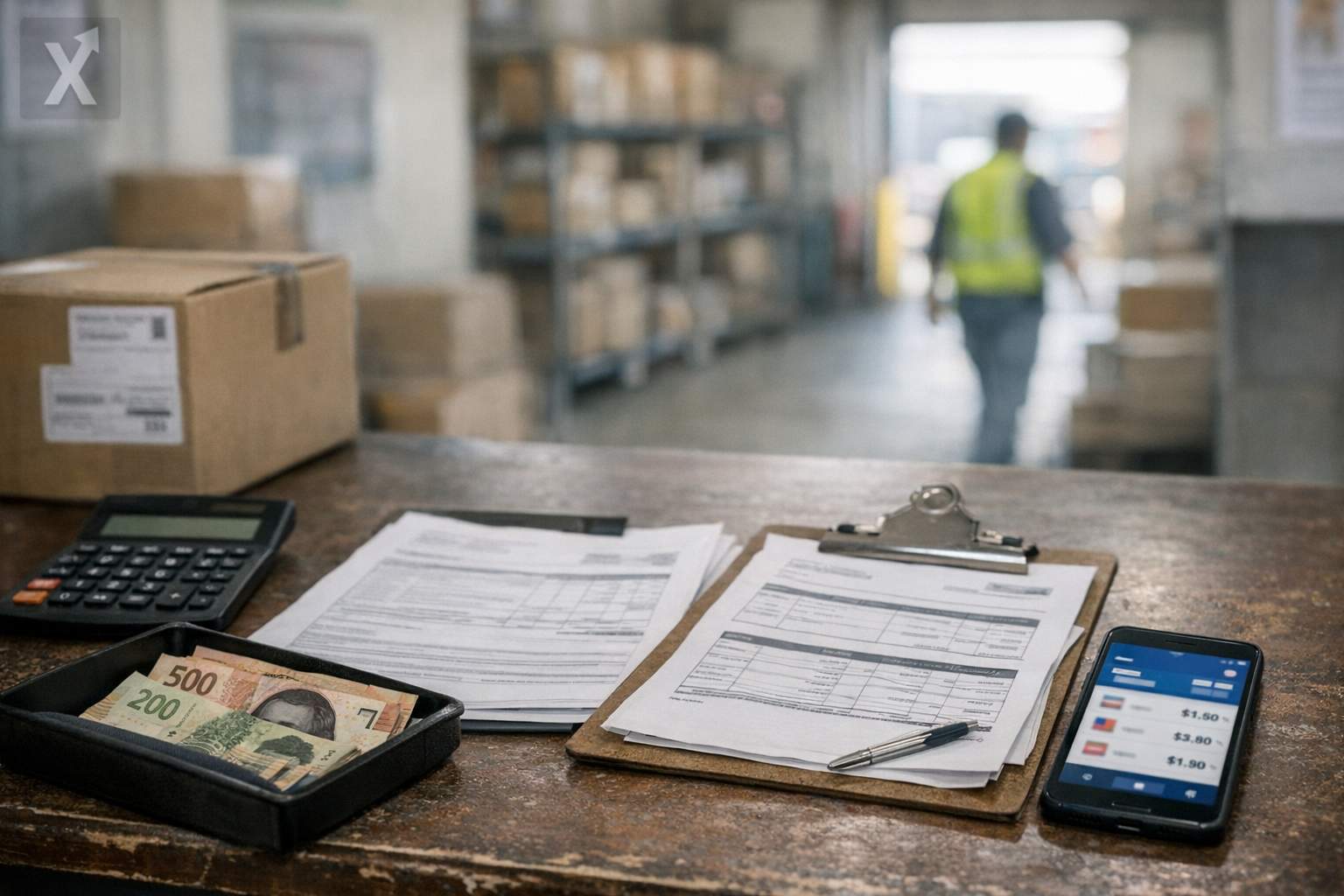
The latest increase in the U.S. trade deficit in November—driven by a rebound in imports and a drop in exports—has once again set off alarms in markets about the reshaping of North American supply chains and the spillover effects on Mexico. For Mexico’s economy, the data matters not only because of the tight manufacturing integration with its main trading partner, but also because it points to potential pressures in specific sectors, in logistics, and potentially in the political conversation around tariffs, rules of origin, and “nearshoring.”
U.S. figures reflect a pattern economists have been watching since the post-pandemic rebound and, more recently, amid volatility tied to shifts in trade policy: companies pulling purchases forward from abroad to lock in inventories ahead of possible new duties, adjustments in transportation costs, and a reshuffling of suppliers. In that environment, Mexico has kept a leading role as a supplier of intermediate and finished goods for North American industry, which helps explain why it shows up among the countries with which Washington reports the largest bilateral deficits.
For Mexico, the impact isn’t straightforward: a larger U.S. deficit can, at the margin, mean more demand for imports from its partners, but it can also mean greater political scrutiny if the issue becomes a domestic talking point in the U.S. In particular, flows in electronics, auto parts, machinery, medical equipment, and certain consumer goods tend to move quickly when companies “re-sync” inventories. In recent years, Mexico’s share of regional trade has grown thanks to the relocation of processes, though persistent bottlenecks remain: power capacity, water availability in industrial hubs, permitting, border infrastructure, and security along key logistics corridors.
On the financial side, the data also intersects with the FX market. A rise in U.S. imports, together with bouts of higher risk aversion or shifting rate expectations, often translates into moves in the U.S. dollar against emerging-market currencies, including the peso. For Mexico, the exchange rate acts as a shock absorber: a weaker peso can support exporters’ revenues in local currency, but it also makes imported inputs more expensive and can complicate the path of core inflation, a central focus for Banxico. With an economy highly integrated into cross-border supply chains, currency swings also show up in production costs and in manufacturers’ margins.
Another point the report highlights is the statistical distortion precious metals can create. In prior months, gold trade influenced the behavior of U.S. exports; that volatility can skew the short-term read on the trend. For Mexico, where the mining and metals sector carries regional weight, the useful signal is less about a single month and more about the pattern: if the U.S. adjustment is driven by inventories or regulatory changes, the effect on orders to Mexican plants could be temporary; if it reflects a slowdown in consumption or investment, the hit would be more lasting.
Looking ahead, the main risk for Mexico is that the deficit narrative translates into more aggressive trade measures or greater regulatory uncertainty. That would be particularly sensitive for industries with high exposure to the U.S. market and for new investments tied to “nearshoring,” which typically require clarity on rules and costs for several years. At the same time, an alternative read is that Mexico’s position as a nearby supplier—with trade agreements, production integration, and competitive logistics timelines—can strengthen if companies look to reduce reliance on farther-flung sources and stabilize supply, as long as domestic constraints in infrastructure and energy are addressed.
In short, the renewed widening of the U.S. trade deficit underscores the scale of adjustments in global trade and keeps Mexico under the spotlight for its role in regional supply chains. The net effect on Mexico’s economy will depend on whether the move reflects short-term inventory dynamics or structural changes, as well as on the path of the exchange rate and the country’s ability to turn external demand into sustainable, productive investment.






