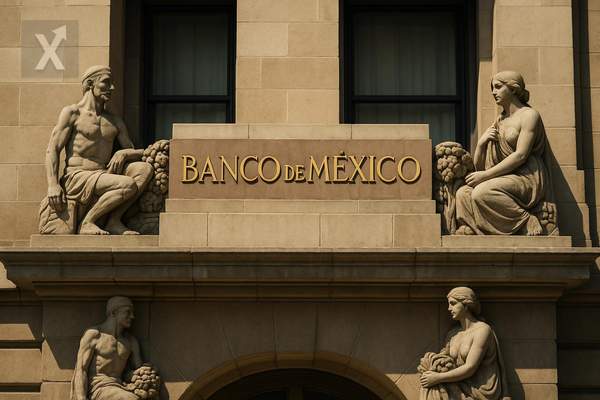
Financial fraud is rising in Mexico, and the UIF and Condusef are strengthening coordination to contain risks
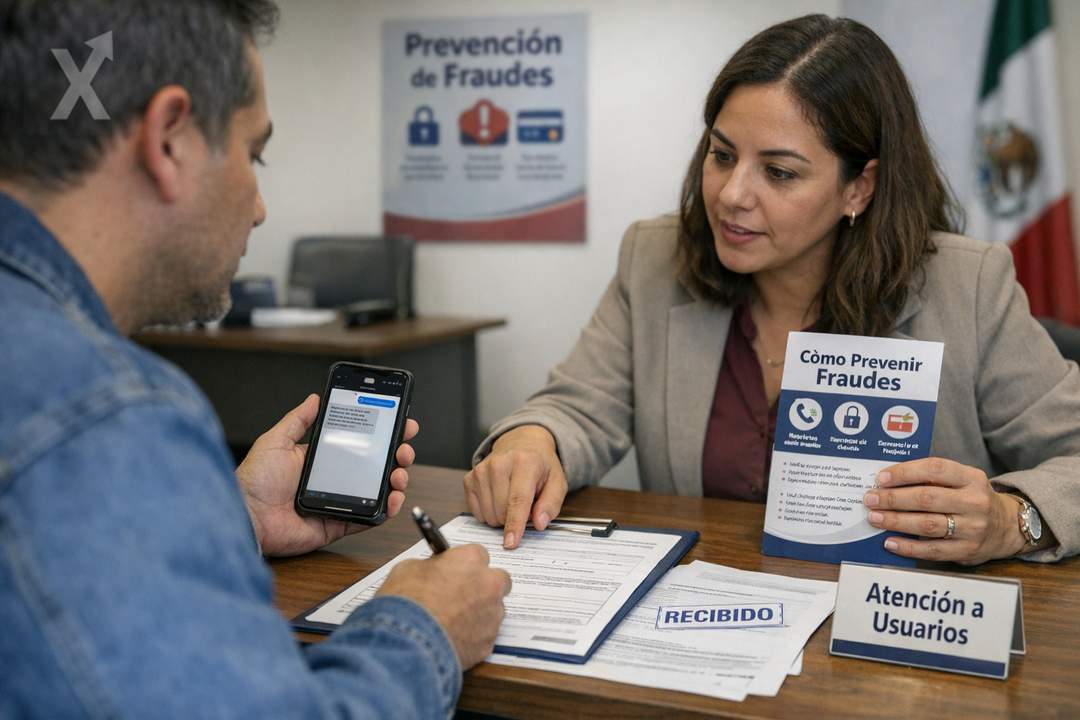
The increase in fraud complaints is pushing authorities to cross-reference signals and patterns to prevent illicit transactions without sharing sensitive user data.
Fraud in financial services is becoming a growing source of concern for users, banks, and regulators in Mexico. Between January and June of this year, the National Commission for the Protection and Defense of Users of Financial Services (Condusef) logged 118,287 complaints, and 37% involved potential fraud—an indicator that reflects both mounting pressure on consumers and the increasing sophistication of criminal schemes.
According to information reported by Condusef itself, fraud-related cases rose by nearly 17% compared with the same period last year, when 43,871 were recorded. In practical terms, the uptick is happening in an environment where digital payments and day-to-day use of financial apps continue to expand, widening the attack surface for impersonation, social engineering scams, and transactions conducted with stolen identities.
In response, the Financial Intelligence Unit (UIF) and Condusef signed an information-sharing agreement aimed at detecting and preventing illicit activity within the financial system. The agencies said the mechanism will focus on analyzing complaints and reports to identify trends, methods, higher-incidence sectors, and geographic areas, with the goal of strengthening institutional actions. Both entities emphasized that the agreement does not include sharing personal data, users’ banking information, or sensitive data.
Interagency coordination becomes especially relevant at a time when Mexico’s economy remains highly integrated with trade flows and remittances, while financial digitalization is advancing alongside banks and new platforms. That progress—while positive for inclusion and payment efficiency—also calls for stronger operational safeguards: enhanced authentication, financial education, transaction monitoring, and faster response times for disputes.
Digitalization, complaints, and economic costs: the impact that isn’t always visible
Beyond the number of complaints, fraud has economic effects that are often underestimated. For households, it can mean direct losses, debt, and eroding trust in digital channels; for institutions, customer-service costs, reimbursements, prevention spending, and reputational damage; and for the system as a whole, distortions in financial intermediation if users revert to cash or avoid products out of fear. At the same time, the evolution of practices such as phishing, “smishing,” and identity theft intersects with data leaks and the illegal sale of information, making it crucial to translate complaint patterns into operational alerts and preventive measures.
Industry specialists often warn that prevention depends not only on pursuing illicit transactions, but on reducing vulnerabilities at the source: more robust identity verification, limits and alerts for unusual transfers, and clear processes for freezing accounts or payment methods when suspicious activity is detected. In Mexico, coordination between financial authorities and investigative units can also help map out “modus operandi” by region or by product—particularly relevant when fraud schemes quickly adapt to seasonal campaigns, consumption spikes, or periods of heightened economic activity.
Looking ahead, the challenge will be to turn information-sharing into measurable results: lower incidence, containment of new methods, and, above all, faster alerts to users and institutions without encroaching on personal data. If the strategy succeeds in converting complaints into preventive intelligence, it could strengthen confidence in the financial system at a key moment for payment modernization and the adoption of digital services.