IEPS on tobacco, sugary drinks, and gambling boosts January revenue after 2026 hikes
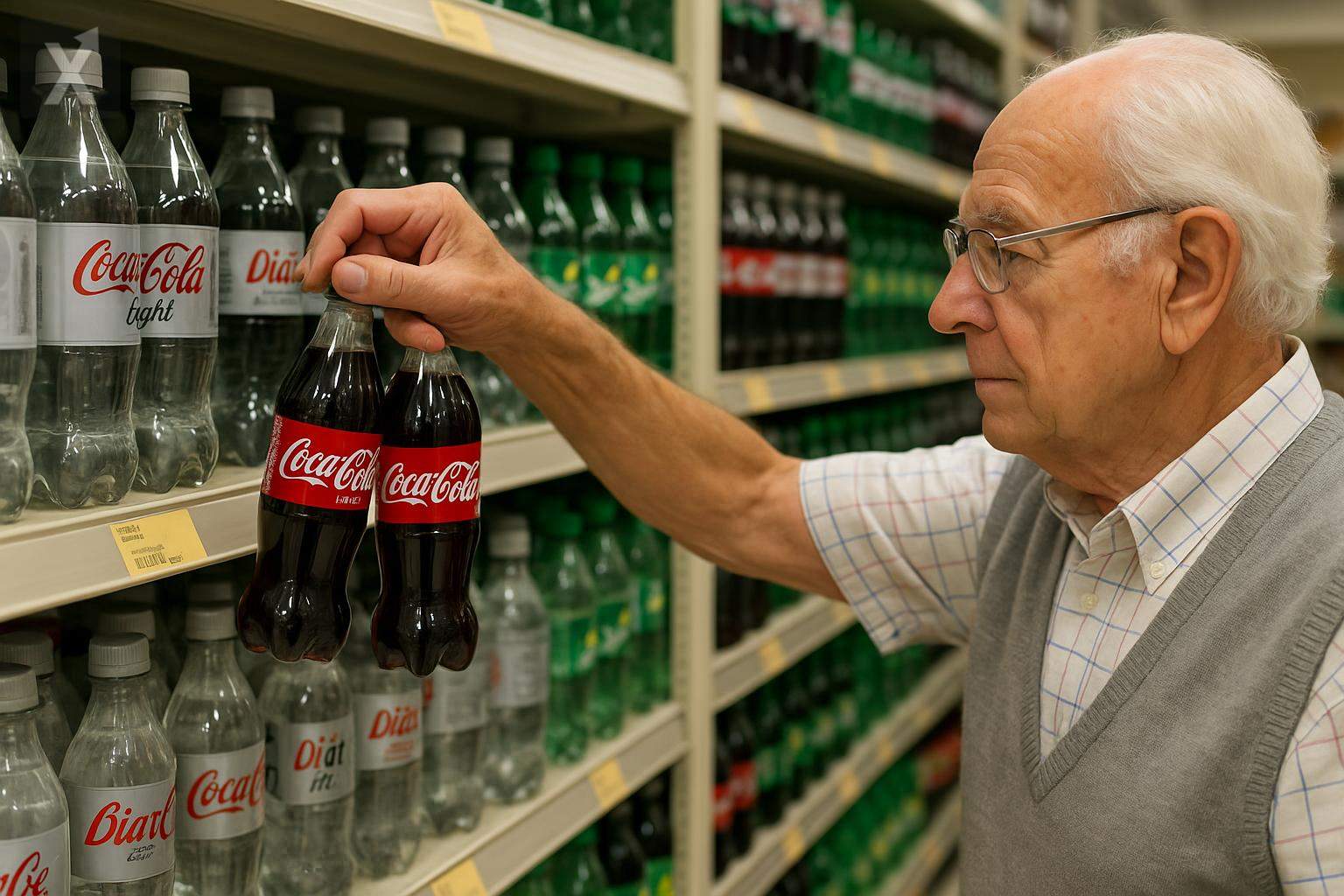
IEPS increases lifted tobacco revenue by 51% and flavored-drink revenue by 10% in January, strengthening non-oil tax inflows.
The first month of the year showed a notable rebound in collections from Mexico’s Special Tax on Production and Services (IEPS) applied to products considered high-impact for public health and to certain gambling-related entertainment activities, following the upward adjustments implemented for 2026. According to figures from the Ministry of Finance and Public Credit (SHCP), IEPS revenue excluding fuels rose 19.7% in real annual terms in January, totaling 46.171 billion pesos, as the government seeks to bolster public revenue without broadly increasing other taxes.
The biggest boost came from the tobacco levy. In January, IEPS revenue from cigarettes and other tobacco products surged 51% in real annual terms, reaching 26.614 billion pesos. The jump reflects a combination of higher rates: for cigarettes, the ad valorem component increased from 160% in 2025 to 200% in 2026, along with an increase in the specific per-unit fee from 0.64 to 0.85 pesos per cigarette. For cigars, premium cigars, and hand-processed tobacco products, the tax rate rose from 30.4% to 32%.
Flavored beverages—including sodas and other sweetened or artificially sweetened drinks—also contributed to the growth. Revenue from this category totaled 4.989 billion pesos in January, a 10% real annual increase. The 2026 changes effectively doubled the tax cost on sugar-sweetened beverages: the per-liter fee rose from 1.64 to 3.08 pesos. For drinks with sweeteners or sugar substitutes, the tax went from not applying at all to a fee of 1.50 pesos per liter, broadening the taxpayer base and reducing the incentive to reformulate products solely to avoid the tax.
In gambling and sweepstakes, IEPS revenue came to 416 million pesos, 13% higher in real terms than in January of the previous year. For 2026, the rate increased from 30% to 50%, and for digital betting and sweepstakes offered by foreign residents without an establishment in Mexico, the rate rose from 0% to 50%—a change aimed at closing tax gaps on cross-border platforms.
What do these increases mean for consumption, prices, and public revenue?
IEPS functions as an indirect tax that, in practice, is often passed through partially or fully to consumer prices, so adjustments tend to show up in inflation for certain categories—especially fast-moving goods. For the authorities, the design pursues two goals: raising more revenue and discouraging consumption of goods linked to public-health risks, such as tobacco and high-calorie beverages. However, the ultimate effect depends on demand elasticity: when consumption falls less than expected, revenue can rise meaningfully; when the reduction is sizable, revenue can level off or even decline over time.
From a macroeconomic perspective, stronger performance in non-oil tax revenue helps reduce dependence on resources tied to the energy cycle and adds fiscal resilience. This matters in an environment of moderate growth and public-spending pressures, where investors and rating agencies typically watch the government’s ability to fund programs and commitments without rapidly deteriorating the fiscal balance. At the same time, higher targeted excise taxes can encourage changes on the supply side—drink reformulations, packaging adjustments, and commercial strategies—as well as increase the appeal of informal or illicit segments if enforcement does not keep pace with higher rates.
In gambling, the higher rate and the explicit inclusion of digital operators without a physical presence in the country point to a regulatory reshuffling that could raise the cost of operating in Mexico while also increasing pressure to comply with tax obligations. The risk is that an elevated burden accelerates user migration to unregulated channels, so the revenue impact will hinge on oversight and coordination between finance authorities and regulators.
Overall, January’s results suggest that the IEPS adjustments are delivering an immediate lift to revenue, with tobacco as the main driver and gains also in flavored beverages and gambling. Looking ahead, the balance between fiscal intake, price effects, and shifts in consumption patterns will determine whether this growth holds or normalizes as markets adapt to the new fees and rates.






