World Cup 2026: Rising fuel costs threaten to push airfares higher and tighten tourist spending in Mexico

The jet fuel rebound is putting pressure on airfares and could shorten stays and reduce visitor spending during the 2026 World Cup.
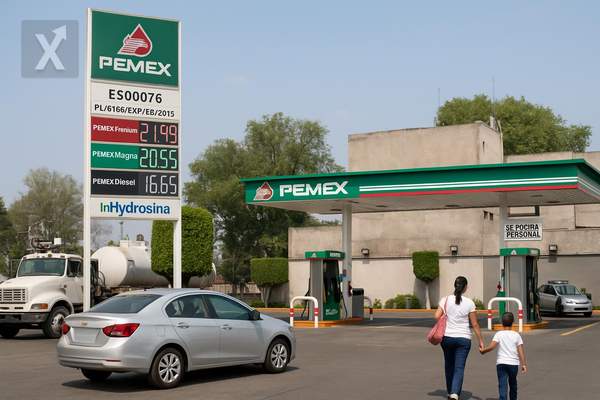
The increase in jet fuel prices is shaping up to be a key risk factor for the international tourism Mexico will receive for the 2026 FIFA World Cup, which will be hosted across venues in Mexico, the United States, and Canada. Even though demand for travel remains strong, the combination of more expensive fuel, limited capacity on certain routes, and high airport costs could translate into pricier tickets—and, as a result, shifts in how visitors spend.
Globally, volatility in oil and refined fuels has moved back to the center of airline industry forecasts. Sector analysts agree that fuel costs are not always passed through immediately to the final ticket price: in the short term, many airlines absorb part of the hit through their margins, but as the new cost level stabilizes, the adjustment typically shows up gradually in fares, service fees, and capacity management (frequency and seat supply).
For Mexico, the challenge is twofold: on the one hand, the World Cup will draw an extraordinary influx of travelers; on the other, higher travel costs can “shift” the adjustment onto the rest of a tourist’s budget. At high-demand events, the decision to attend tends to be relatively price-insensitive, but behavior still changes: shorter stays, less spending on restaurants and entertainment, or greater use of alternative lodging and ground transportation within the country.
The potential impact comes at a time when tourism is an important source of foreign-currency inflows and jobs. In recent years, international visitor revenue has shown resilience, supported by air connectivity, the strength of beach and city destinations, and integration with North America. Still, a sustained run-up in fuel can erode some of that momentum by making access more expensive—especially on routes with less competition.
Airfare costs in Mexico: fuel, airport fees, and the connectivity challenge
Fuel usually accounts for a significant share of a flight’s operating cost, and the impact of higher prices is amplified when combined with structural components of the final price paid by passengers. In Mexico, beyond fuel, the Airport Use Fee (TUA, by its Spanish acronym) and other charges can weigh heavily on ticket prices, particularly for low-cost carriers, where part of the business model relies on lower base fares but additional fees. In this context, a high-oil cycle doesn’t just squeeze airlines—it can also affect destination competitiveness, route planning, and seat availability during peak season, right when the country will be looking to capitalize on the World Cup’s global spotlight.
Airlines have signaled that the reshuffling will happen through several channels: tactical capacity adjustments, gradual fare increases, and a greater emphasis on ancillary revenue. Locally, the recent precedent is telling: when fuel got cheaper, some companies’ margins improved without necessarily translating into lower ticket prices; the reverse effect—rising fuel—tends to hit profits first and prices afterward, at varying speeds depending on commercial strategy, the level of competition, and hedging.
On the inflation front, pressure has already appeared in the air transportation component during high-demand months. If that’s compounded by a summer season with heavy passenger volume and the additional peak generated by the tournament, the risk is that prices stay elevated for longer. For consumers, that could mean the “total cost of the trip” rises more than expected: flights, lodging, and tourism services all climbing at the same time.
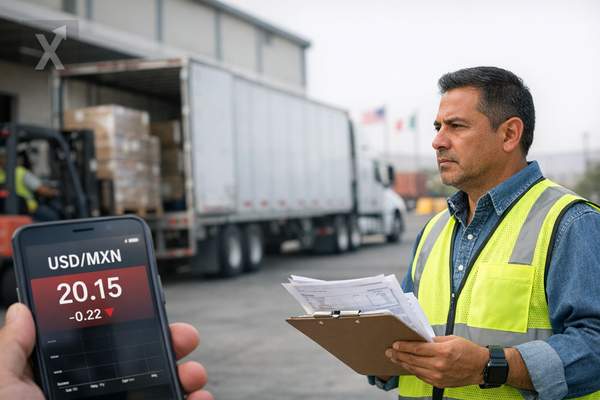
The macroeconomic lens matters as well. Higher tourist spending can benefit sectors such as hotels, restaurants, airports, retail, and services, but if more expensive transportation reduces spending per visitor, the boost may show up more in occupancy and volume than in broad-based consumption. Exchange-rate volatility can also play a role: a strong peso makes imports cheaper but can reduce Mexico’s relative appeal for some visitors; a weaker peso can encourage spending in local currency, though it also raises the cost of dollar-denominated inputs across the tourism and aviation supply chain.
At the same time, the reshaping of global routes due to geopolitical tensions could provide a partial offset: if some airlines reallocate capacity toward North America and Latin America, Mexico could benefit from more available seats on certain connections. Even so, competition for aircraft and airport slots at key hubs—along with available infrastructure and operational efficiency—will be decisive in determining how much value the country captures from the event.
In perspective, the 2026 World Cup looks like a temporary catalyst that can deliver gains in activity and international exposure, but its spillover effects will depend on concrete variables: travel costs, air capacity, destination prices, safety, urban logistics, and service quality. With fuel prices volatile, the industry’s challenge will be balancing profitability with affordability—and for authorities and the tourism sector, ensuring visitors find a competitive offering beyond the stadium.
In sum, the fuel rebound introduces a clear risk: Mexico could receive many visitors, but with tighter budgets and greater sensitivity to the total cost of travel. The World Cup opportunity remains, but the final economic payoff will depend on how costs, connectivity, and the visitor experience are managed in a higher-price environment.