Counterfeit banknotes are surging in Mexico: cases rise and risks for retailers are shifting
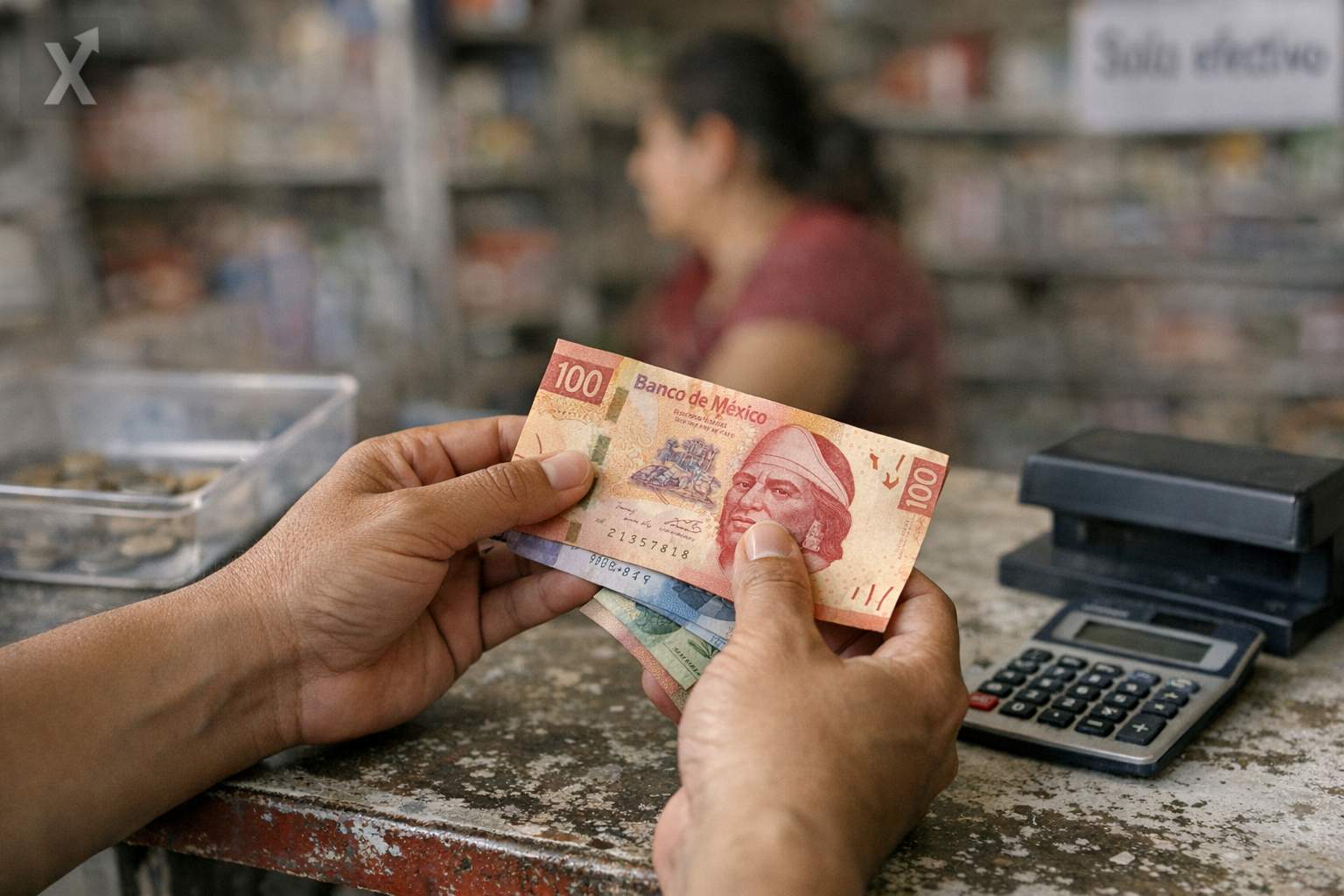
In 2025, detection of fake bills increased, with a notable jump in the 100-peso denomination, in a high-cash-use environment.
Counterfeiting of banknotes in Mexico gained ground again in 2025, according to figures from the Bank of Mexico (Banxico). The rebound pushed the total number of counterfeit notes detected to 291,673, the highest level since 2022. In relative terms, the central bank reported that 30.4 counterfeit notes were identified per million notes in circulation, confirming a second consecutive year of increases.
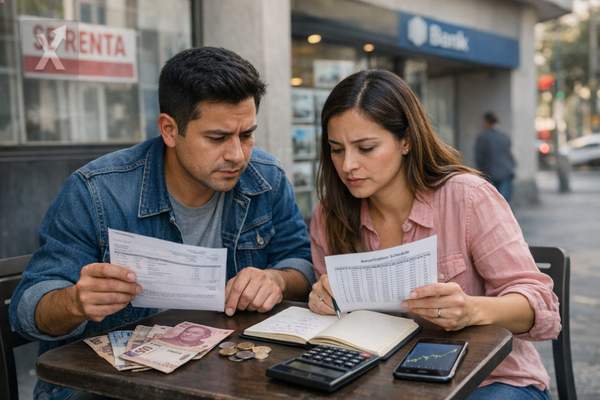
This matters in a country where, despite the growth of electronic transfers and card payments, cash remains a core payment method for large segments of the population—particularly in small businesses, transportation, and service activities. In that context, counterfeiting not only means a direct loss for whoever receives the bill, but also operational costs: more time spent verifying notes, more friction at checkout, and added pressure on businesses with tight margins.
The breakdown by denomination showed the pattern shifting. Counterfeiting of the 100-peso note stood out for its jump: in 2025, 73,875 fake notes were tallied, equivalent to 64.2 per million in circulation—up 212% from 2024. By contrast, other denominations traditionally more “attractive” to counterfeiters posted declines, suggesting a shift in placement strategies toward bills that circulate heavily in everyday transactions.
For the 20-peso note, Banxico recorded 426 fake notes (0.4 per million), although that was a 92% year-over-year increase. For the 1,000-peso note, counterfeits rose 1.8%, with a rate of 15.4 fake notes per million in circulation.
At the same time, the 50-, 200-, and 500-peso denominations showed declines. For the 50-peso note, 5,797 counterfeit notes were identified, a 60% drop versus 2024. For the 500-peso note, the central bank reported 148,652 counterfeit notes, nearly 16% fewer than the prior year. For the 200-peso note, 56,153 fake notes were detected, a 14% reduction.
More digital payments, but cash remains the “blind spot”
The rebound comes as the Mexican economy continues a gradual transition toward digital payment methods. Growth in SPEI transfers, the expansion of point-of-sale terminals, and adoption of digital wallets have reduced certain frictions, but they haven’t displaced cash for low-ticket, high-frequency purchases. That combination—high volumes of cash transactions and limited verification at the counter—creates space for counterfeit bills to blend in quickly, especially during busy hours or in businesses without specific training.
In addition, strong domestic consumption and the informal economy—which still represents a significant share of employment and economic activity—amplify the risk: many payments are made without banking intermediaries and with minimal controls. In practice, the cost of a fake bill often falls on the weakest link in the chain: the microbusiness or worker who takes the cash and, when trying to use it later, faces a total loss if the bill is confirmed as counterfeit.
Banxico emphasizes that verification should rely on security features, not homegrown methods. In the newest banknote family, the 20-, 50-, and 100-peso denominations are made of polymer, with a plastic-like feel and a security window; the 200-, 500-, and 1,000-peso notes are cotton-based and include a security thread and features that change with the light. They also incorporate raised printing that can be felt by touch and fluorescence visible under black light. The central bank recommends avoiding the “marker test,” as it’s unreliable and can damage the notes.
For those who receive a bill suspected of being counterfeit, the formal procedure is to go to a bank branch and request a review. The institution keeps the note and provides a receipt, and the bill is sent to the Bank of Mexico, the only body authorized to certify authenticity. If the note is legitimate, the amount is reimbursed; if it’s counterfeit, the money is not recovered. Separately, the law provides for severe penalties for anyone who puts counterfeit notes into circulation, with sentences of up to 12 years in prison—underscoring the importance of not “passing” the bill on to someone else if you suspect it’s fake.
Looking ahead, specialists often note that the fight against counterfeiting depends both on banknote design and on detection capacity at the point of exchange. Wider dissemination of verification guides, training for cashiers and small merchants, and the use of simple tools (such as UV lamps in cash-heavy businesses) can reduce losses. At the same time, continued adoption of digital payments—as infrastructure and trust keep improving—could narrow the operating space for this crime, though it is unlikely to eliminate it completely.
In sum, the 2025 figures point to a rebound that makes day-to-day prevention more urgent: the increase in counterfeit bills, especially 100-peso notes, combines a direct economic risk for households and businesses with a reminder that cash, still dominant in many transactions, requires basic controls to protect income in the real economy.