US $12 Billion Farm Aid Package Set to Bring Mixed Effects for Mexican Agriculture and Food Prices
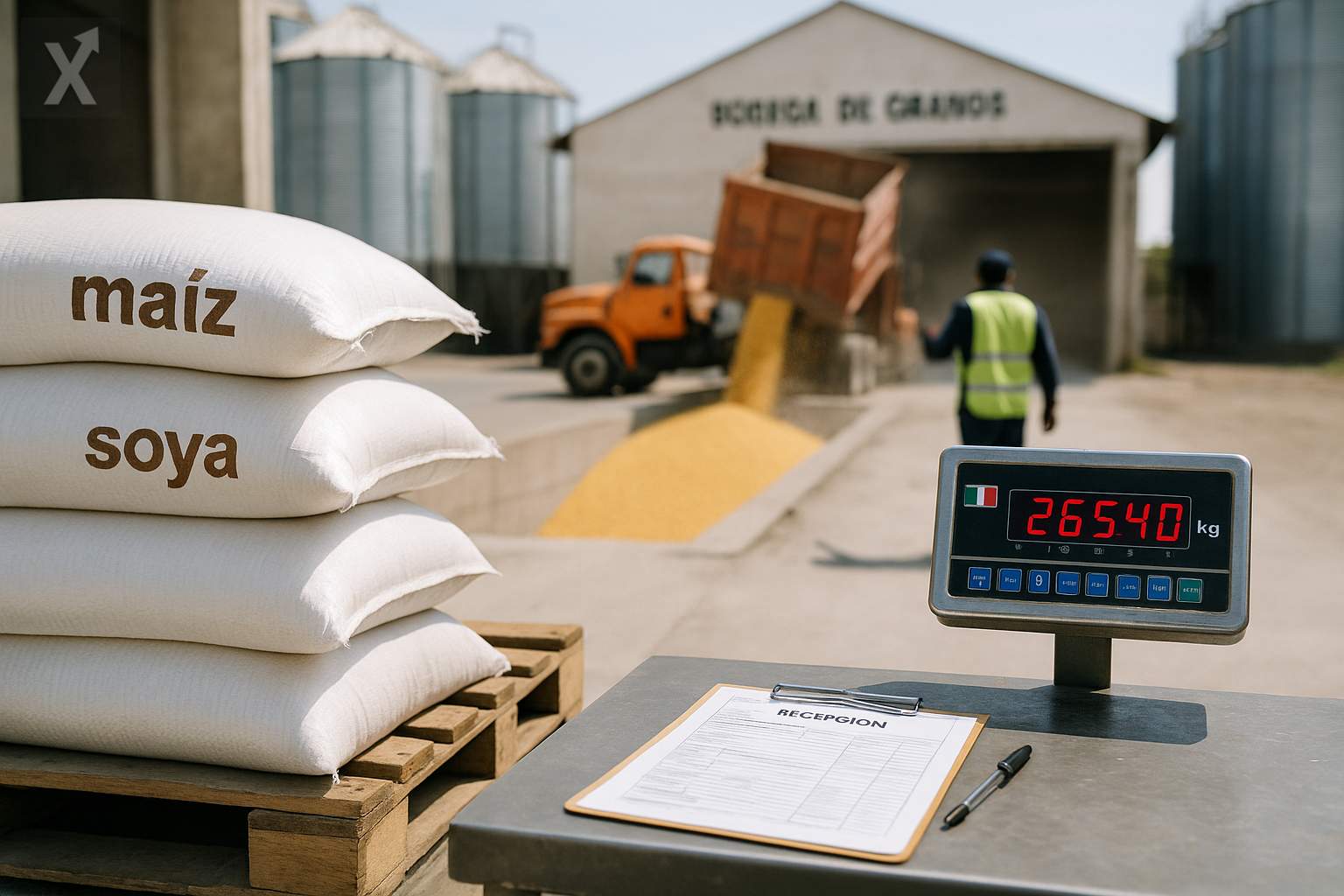
The White House is preparing a $12 billion support package for US agricultural producers aimed at mitigating the impact of ongoing trade tensions, particularly the loss of soybean sales to China. Given the high level of agri-food integration between Mexico and its main trading partner under the USMCA, the measure could have immediate effects on international grain prices and cost dynamics for Mexico’s food industry.
The US assistance seeks to compensate farmers and ranchers for income losses caused by demand shifting to South American suppliers, all within a context of abundant harvests and downward pressure on international prices. In the past, similar relief programs have bolstered production of crops such as corn, soybeans, and cotton, as well as value chains linked to pork and beef, which tends to expand supply and thus moderate global prices.
For Mexico, a further decline in soybean and corn prices—key inputs for the livestock, poultry, and dairy industries—would mean lower animal feed costs and some relief in processed food inflation. The country imports large volumes of grains and oilseeds from the US, so cheaper prices at the source, combined with recent strength in the peso, could help ease cost pressures on the basic food basket.
However, the effects won’t be uniform. Domestic grain and oilseed producers would face stiffer competition from cheaper imports at a challenging time marked by prolonged drought, pressure on aquifers, and volatility in input costs like diesel and fertilizers. Domestic support programs—such as Producción para el Bienestar—and recent temporary tariff measures to stabilize prices may come under strain if the cost gap with imported products widens.
On the regulatory side, US domestic supports fall within the scope of WTO multilateral commitments and coexist with the USMCA, which does not outright ban agricultural subsidies but does allow for consultations if trade distortion is detected. Mexico has rarely turned to dispute mechanisms over agricultural supports in North America, though careful monitoring of trade flows and prices will be key to determining any adverse effects on specific producers.
Macroeconomic conditions also play a role. Overall inflation in Mexico has been easing from the peaks of 2022, but food prices have remained sticky. Exchange rate movements, the Bank of Mexico’s gradual rate cuts, and the trajectory of international grain prices will play pivotal roles in shaping consumer prices. Meanwhile, record remittances and the push from nearshoring continue to sustain domestic demand, even as the primary sector remains vulnerable to climate shocks.
Looking ahead, the market’s focus will be on the specifics of the US package: which crops and supply chains will be eligible, how resources will be allocated, and the duration of the support. For Mexico, responses could range from logistical and inventory adjustments by food processors to targeted assistance for the most exposed producers. Water management and production efficiency will be decisive factors for the resilience of Mexican agriculture through periods of depressed prices without losing competitiveness.
In summary, large-scale US agricultural support is likely to soften international prices and ease costs for Mexico’s food supply chain in the short term, but it would also intensify competition for domestic grain producers. Careful monitoring of trade flows, evolving weather conditions, and strong coordination of public policies will be essential to balance price stabilization with the sustainability of Mexico’s agricultural sector.