Fed Holds Off on Cuts, Clouding Mexico’s Rate Outlook: Pressure on the Peso and Borrowing Costs
The U.S. Federal Reserve decided to leave its benchmark rate unchanged in the 3.50% to 3.75% range at its first meeting of the year, signaling caution as the central bank views the economy as still expanding at a solid pace and the labor market as showing signs of stabilization. The decision also comes amid a tense political backdrop, with President Donald Trump publicly pressuring the Fed to accelerate rate cuts—an element that adds noise to how markets interpret the central bank’s independence.
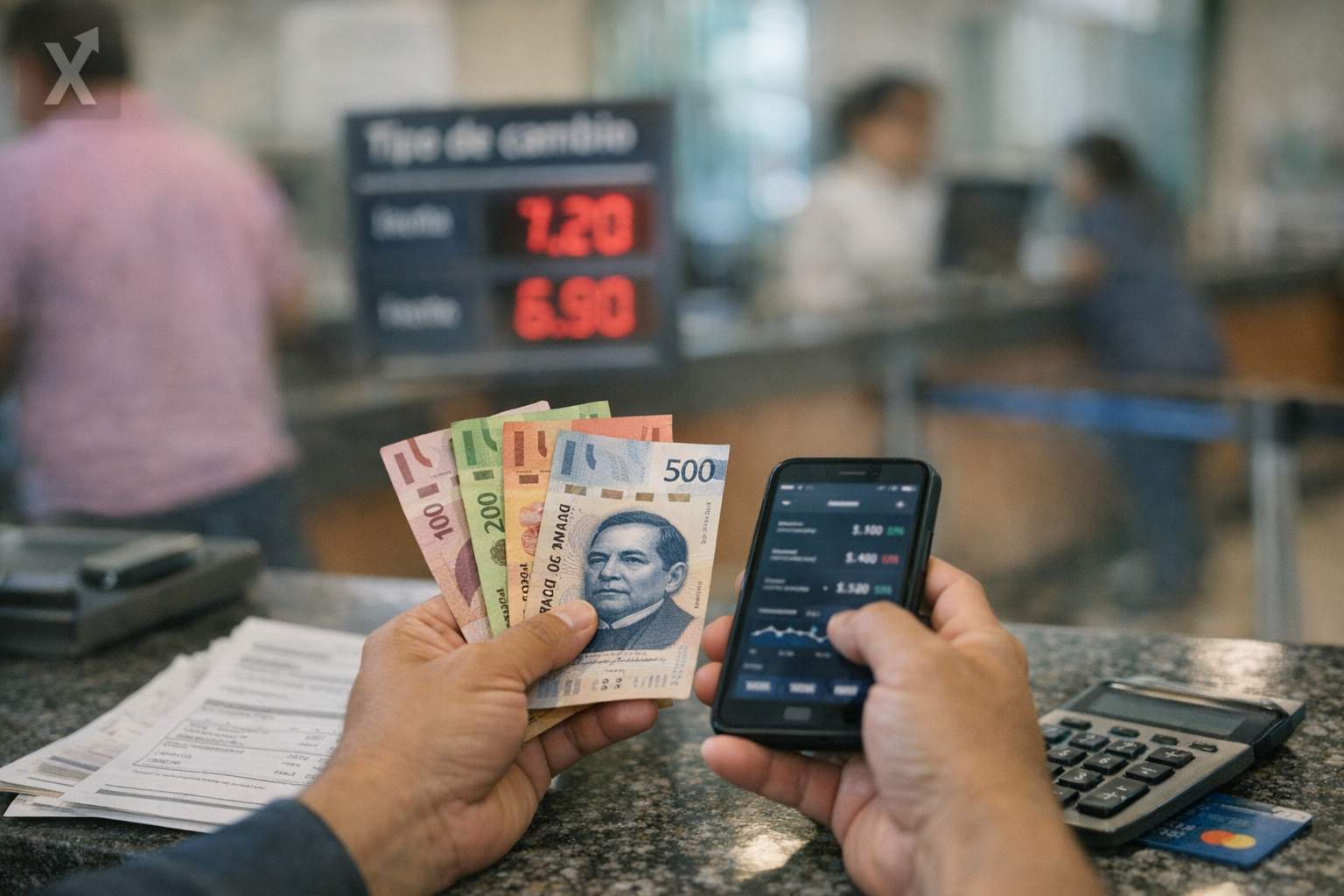
For Mexico, the Fed’s stance matters through two immediate channels: the exchange rate and the interest-rate differential. If the Fed extends its pause, the relative appeal of investing in pesos may hold up, but the risk of volatility episodes also rises if markets reassess the U.S. rate path or if global risk aversion increases. In currency markets, any shift in expectations around the U.S. monetary cycle typically shows up in FX market moves, affecting import prices and, through that channel, local inflation.
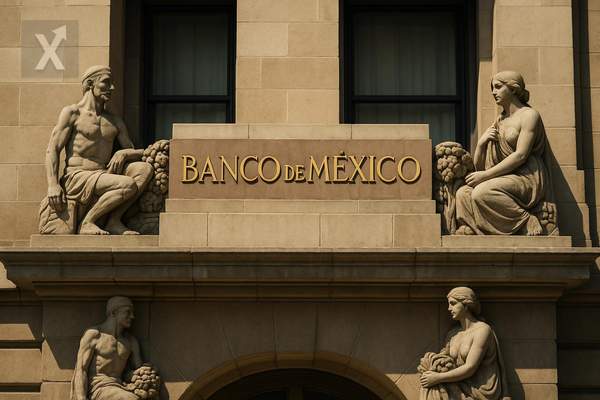
The decision also arrives as Banco de México faces its own trade-off: keeping a restrictive stance to lock in disinflation, or beginning—with great caution—a downward normalization process as headline inflation and, especially, core inflation continue to ease. In practice, the Fed’s timing can influence Banxico’s room to maneuver: cuts in Mexico while the Fed stands pat tend to narrow the rate differential and can translate into exchange-rate pressure if the external environment deteriorates.
On the domestic front, the cost of consumer and business credit remains high, with visible effects on rate-sensitive sectors such as housing, autos, and financing for small and midsize businesses. A longer period of elevated U.S. rates typically keeps global financial conditions tighter, which can raise funding costs for Mexican issuers and keep risk premia elevated—particularly for those that need to refinance debt or fund investment with floating-rate instruments.
At the same time, the impact is not uniform. A relatively firm peso helps contain the peso cost of imported goods and can support the disinflation process; however, it can also squeeze margins for some exporters and reduce the FX translation boost from remittances in local currency. For North America–integrated manufacturing, the focus will remain on U.S. consumption and investment: if U.S. growth holds up, external demand may continue to support Mexican output, albeit with the counterweight of more expensive financing.
Looking ahead, the market will be watching two variables: the U.S. inflation print—which will determine whether the Fed resumes cuts or extends the pause—and the path of core inflation in Mexico, which shapes Banxico’s ability to adjust its rate without unanchoring expectations. In a year when investors are highly sensitive to political signals, the combination of higher-for-longer rates and bouts of volatility could make the peso’s moves more erratic and, in turn, complicate the timing of monetary policy decisions in Mexico.
In perspective, the Fed’s pause reinforces a cautious backdrop: Mexico could benefit from a still-attractive rate differential and resilient U.S. demand, but it will face the challenge of sustaining disinflation without triggering a sharper slowdown in credit. The key will be how quickly inflation eases in both countries and whether the market maintains confidence in their central banks’ stewardship.