Trump Lawsuit Against JPMorgan Reignites Debate Over “De-Banking” and Risks for Mexican Companies Operating in the U.S.
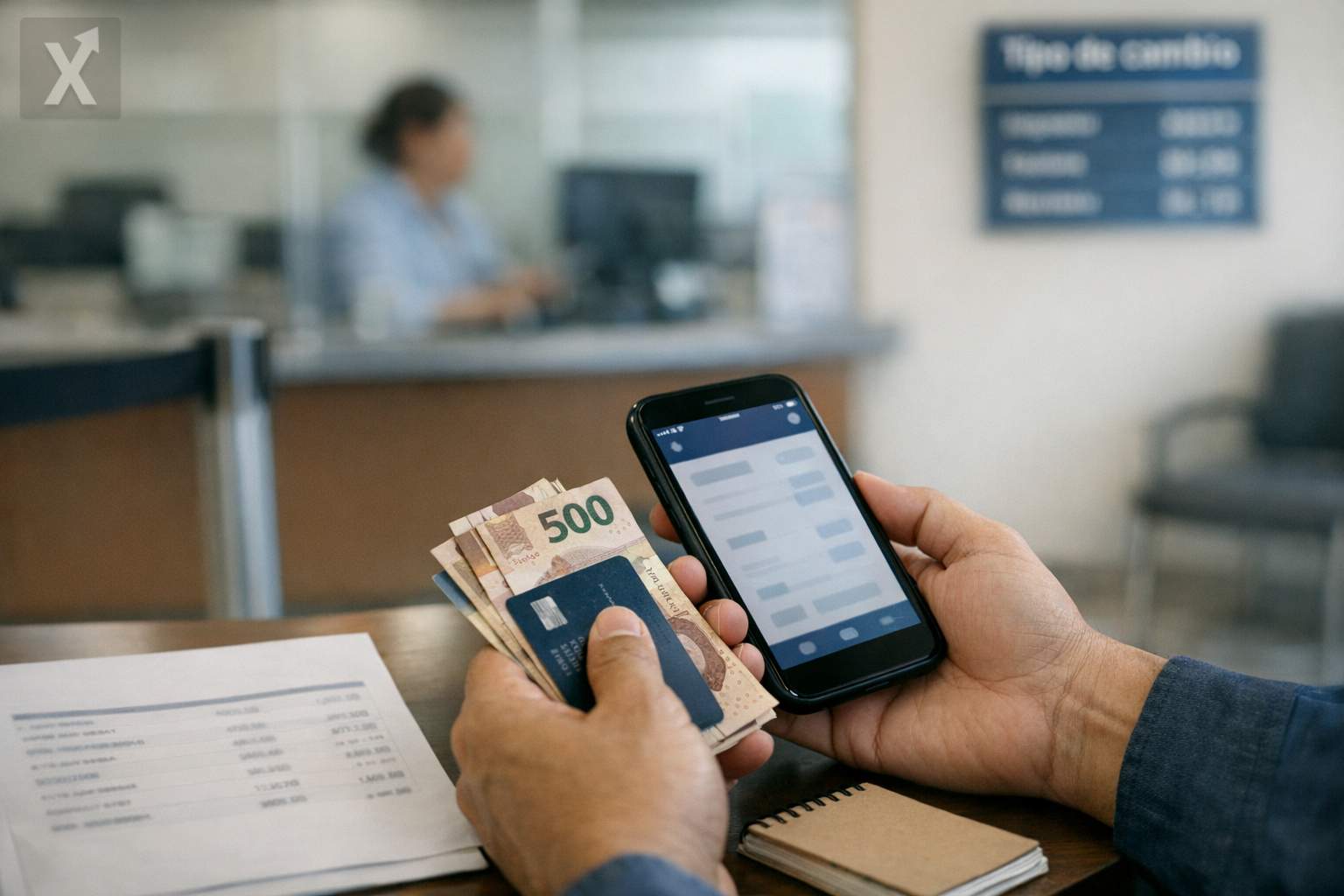
The new lawsuit filed by U.S. President Donald Trump against JPMorgan Chase and its CEO, Jamie Dimon—seeking at least $5 billion—has put a concern back at the center of the conversation for internationally active companies and wealthy individuals: account closures and restrictions on banking services based on legal, reputational, or regulatory risk criteria, a phenomenon known in the industry as “de-banking.” Although the dispute is playing out on U.S. soil, its ripple effects reach Mexico due to the deep financial and trade integration between the two countries.
According to the complaint, the bank allegedly cut ties after the events of January 6, 2021 at the U.S. Capitol, which Trump says caused him financial and operational harm. JPMorgan denies closing accounts for political or religious reasons and argues that its decisions are driven by legal or regulatory risk assessments. Regardless of the court outcome, the case illustrates how major global banks are applying increasingly strict “know your customer” (KYC) and anti-money laundering (AML) policies—especially when a client could increase regulatory scrutiny or raise compliance costs.
For Mexico, the issue matters in two ways. The first is business-related: Mexican companies operating in the U.S.—or those that maintain correspondent accounts and credit lines tied to the U.S. financial system—may face additional reviews if their risk profile changes (due to lawsuits, sanctions, changes in government, or public controversies). The second is macro-financial: international banking is a key channel for investment flows, trade finance, and dollar-denominated treasury management—critical for sectors such as export manufacturing, automotive, aerospace, and electronics.
In Mexico, financial institutions have tightened controls in recent years, pushed by international standards and by the country’s own security and compliance environment. This is happening as Mexico moves through a period of moderate growth, with a domestic market still feeling the impact of relatively high interest rates and with companies looking for cheaper, more stable financing. Sensitivity to reputational risk has also increased: banks and payment platforms tend to reduce exposure to customers or industries with the potential for controversy—even when there is no court ruling or formal sanction—because of the cost of dealing with audits, information requests, and additional reporting.
The practical implication for Mexican firms with cross-border operations is that the banking relationship is becoming a strategic asset: keeping documentation up to date, maintaining transparent corporate structures, ensuring traceability of funds, and communicating frequently with the bank can make the difference during reviews. There is also a growing incentive to diversify financial providers, use treasury structures with more than one institution, and secure legal and compliance advice that anticipates regulatory changes—especially in politically volatile years.
In markets, this kind of litigation does not usually move Mexican variables such as the exchange rate on its own, but it does reinforce a narrative of greater caution in the international banking system. For the peso, the main impact channel would remain indirect: any episode that increases global risk aversion or tightens access to dollars for businesses can translate into higher demand for FX hedging. In addition, the episode adds to an environment in which investors closely scrutinize the institutional framework, regulatory quality, and legal certainty—factors that influence the cost of capital for issuers and projects in Mexico.
Looking ahead, Trump vs. JPMorgan could become a reference point for other lawsuits involving financial services and account-closure criteria, at a time when banks are trying to shield themselves from sanctions, litigation, and political pressure. For Mexico, the takeaway is that integration with the U.S. system provides financial depth, but it also “imports” compliance standards and risk decisions that can affect companies and individuals operating in dollars and across multiple jurisdictions.
In sum, the lawsuit underscores that access to banking services in highly regulated economies depends both on a customer’s risk profile and on the ability to document operations and meet compliance standards. For Mexico, the episode is a reminder that in a stricter global environment, prevention and financial diversification can be just as important as financing itself.






