U.S. Inflation Cools: Implications for the Mexican Peso and Interest Rates in Mexico
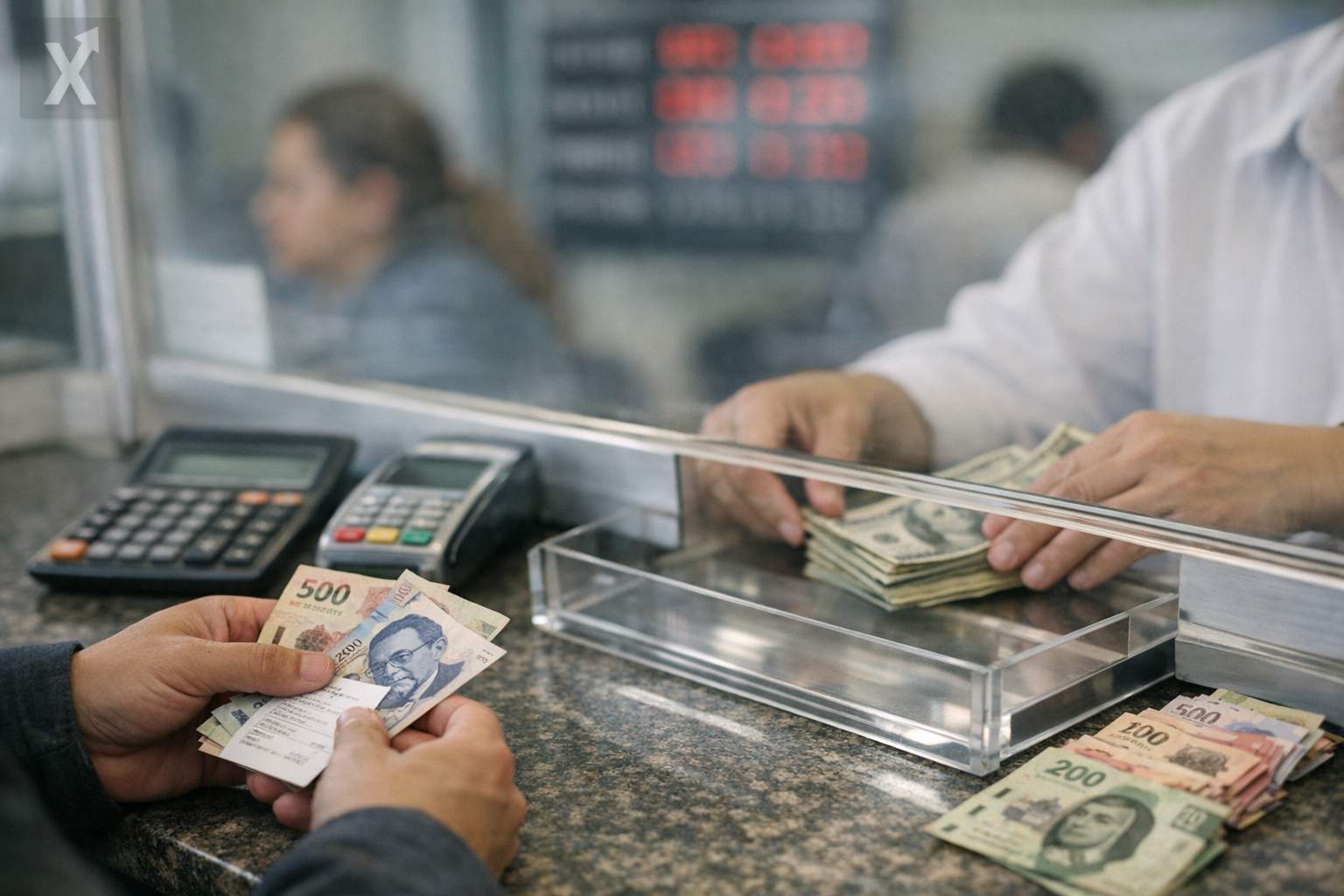
Slower price growth in the U.S. at the start of the year revives the debate over rate cuts and their impact on Mexico’s exchange rate and financing conditions.
U.S. inflation kicked off the year with a bigger-than-expected slowdown, coming in at 2.4% year over year in January, below the 2.7% reported in December. The reading strengthens the view that price pressures have eased—especially due to moderation in fuels and some durable goods—though increases persist in categories such as services and regulated energy.
For Mexico, U.S. price trends are an important input because they affect expectations for Federal Reserve monetary policy and, as a result, financial flows into emerging markets. When the market sees U.S. inflation cooling, the perceived likelihood typically rises that the Fed will cut its benchmark rate sooner or more aggressively, which can reduce the strength of the U.S. dollar (USD) against currencies such as the peso.
In the domestic market, that dynamic tends to show up as less pressure on the exchange rate, a lower cost of FX hedging, and potentially less restrictive financial conditions. However, the channel is not automatic: the peso-dollar pair also reacts to domestic factors (fiscal discipline, risk perception, investment, and trade) as well as bouts of global risk aversion.
The inflation print also arrives at a time when the Mexican economy is facing moderate growth, with consumption that has shown resilience but with signs of cooling in some parts of manufacturing tied to the U.S. industrial cycle. On top of that, Mexico’s disinflation process has been slower in services than in goods, which makes it necessary to remain cautious about the pace of monetary easing.
Banxico: Room to Cut Rates Depends on the Fed Spread and Core Inflation
The path of U.S. inflation often influences the room for maneuver at the Bank of Mexico (Banxico), not because Mexico’s central bank mirrors decisions, but because the interest-rate differential between Mexico and the U.S. is a key pillar of financial and FX stability. If the Fed moves closer to a cutting cycle and Mexico maintains a cautious stance, the spread can continue to support the peso; but if cuts in Mexico accelerate more than in the U.S., the market could demand an additional risk premium, increasing exchange-rate volatility.
In practice, Banxico has emphasized that its rate decision depends on domestic inflation—particularly core inflation—and medium-term expectations. For households and businesses, the impact shows up in borrowing costs: an orderly convergence of inflation opens the door to lower rates, affecting mortgages, auto loans, and working capital, although the pass-through is usually gradual and uneven across segments.
Looking ahead, the main watch point for Mexico will be whether U.S. disinflation becomes entrenched without a rebound in energy prices and whether the U.S. economy avoids overheating in services. A scenario of better-controlled inflation and falling U.S. rates can support an environment with less pressure on the peso and a more manageable cost of external financing; even so, the risk balance includes episodes of global volatility, shifts in rate expectations, and shocks to energy or food prices.
In sum, cooling U.S. inflation is a positive signal for the financial backdrop, but Mexico will still depend on the trajectory of its core inflation and an implicit coordination between exchange-rate stability and monetary policy to sustain an orderly adjustment.






