BBVA App Outage Triggers User Complaints and Rekindles Debate on Digital Banking Resilience
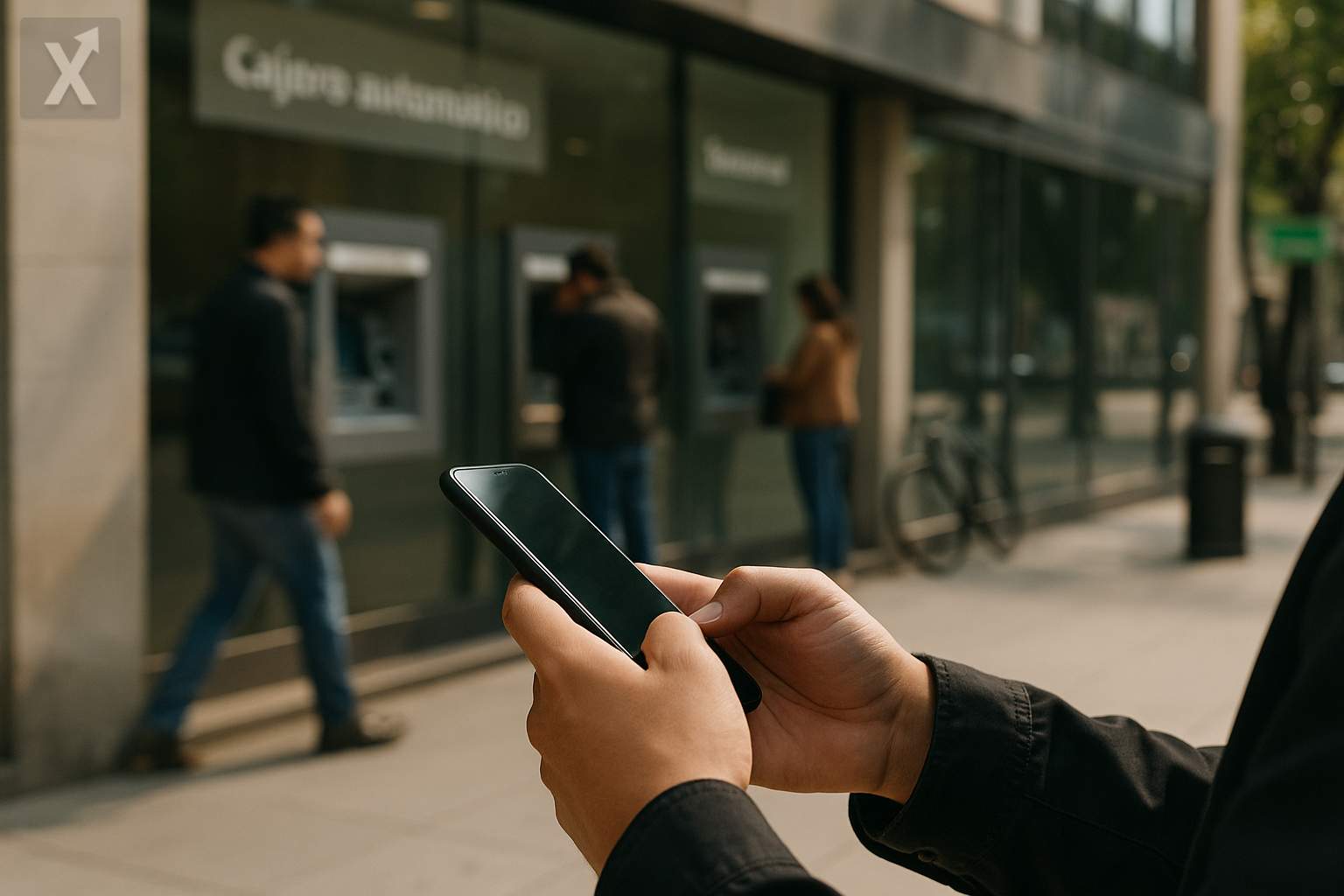
The BBVA México mobile app experienced outages on Monday, sparking reports of login issues and disruptions in digital banking operations throughout the afternoon. On its official X account, the bank issued an apology and stated that it was working to restore service "as soon as possible," while recommending that customers try again later in the day. According to Downdetector, complaints peaked at around 1:00 p.m.; 57% of reports were related to app login issues, 33% to mobile banking in general, and 10% to online banking.
BBVA is the country’s largest bank in terms of loan portfolio and deposits, and its digital ecosystem handles a significant portion of the everyday transactions of both households and businesses. On workdays, peak usage for payments, transfers, and account inquiries can strain the bank's technological infrastructure, making outages readily apparent: anything from being unable to send instant transfers to trouble confirming online purchases that require app validation.
Mexican regulations require banks to have operational continuity plans, conduct regular stress tests, and report significant incidents to authorities. Even with redundancy systems and scheduled maintenance, the industry has seen sporadic outages in recent years—a reflection of rapid digital adoption and the complexity of operating high-availability platforms. In this case, BBVA did not specify the cause of the issue or provide an estimated timeline for service normalization in its latest update.
For users and businesses, the practical impact varies depending on the channel. When a bank’s app has problems, customers often switch to alternatives such as online banking from desktop computers, ATMs, in-branch terminals, or using physical debit cards. However, some processes—such as transaction authentication, PIN changes through the app, or approving online purchases—rely on the app’s availability, which can lead to delays or require postponing non-essential transactions.
This incident comes amid a strong digitalization push in Mexico’s financial sector. Since the pandemic, the use of mobile banking and electronic payments has grown steadily, driven by competition from fintech firms and new payment models—though challenges remain, including connectivity gaps, financial literacy, cybersecurity, and operational resilience. Initiatives like open banking and the standardization of security measures aim to boost system reliability, but the concentration of traffic on just a handful of leading apps makes it critical to invest in capacity, real-time monitoring, and effective communication during incidents.
Looking ahead, banks are expected to keep strengthening their infrastructure to handle demand spikes—especially during high-transaction periods—and to be more transparent about their support protocols when outages occur. For users, diversifying banking channels and planning out important payments in advance can help minimize setbacks. For now, BBVA says it is working to restore service and recommends that customers try their transactions again later in the day.
In summary, the BBVA app outage highlights the growing dependence on digital channels and the need to strengthen their resilience. According to user reports, login and mobile banking were the main features affected, and the incident reopens discussion about technological capacity, business continuity, and customer communication in an increasingly digitalized banking system.






