WTO Reform: A Debate That Is Once Again Putting Pressure on Mexico Amid New Trade Tensions
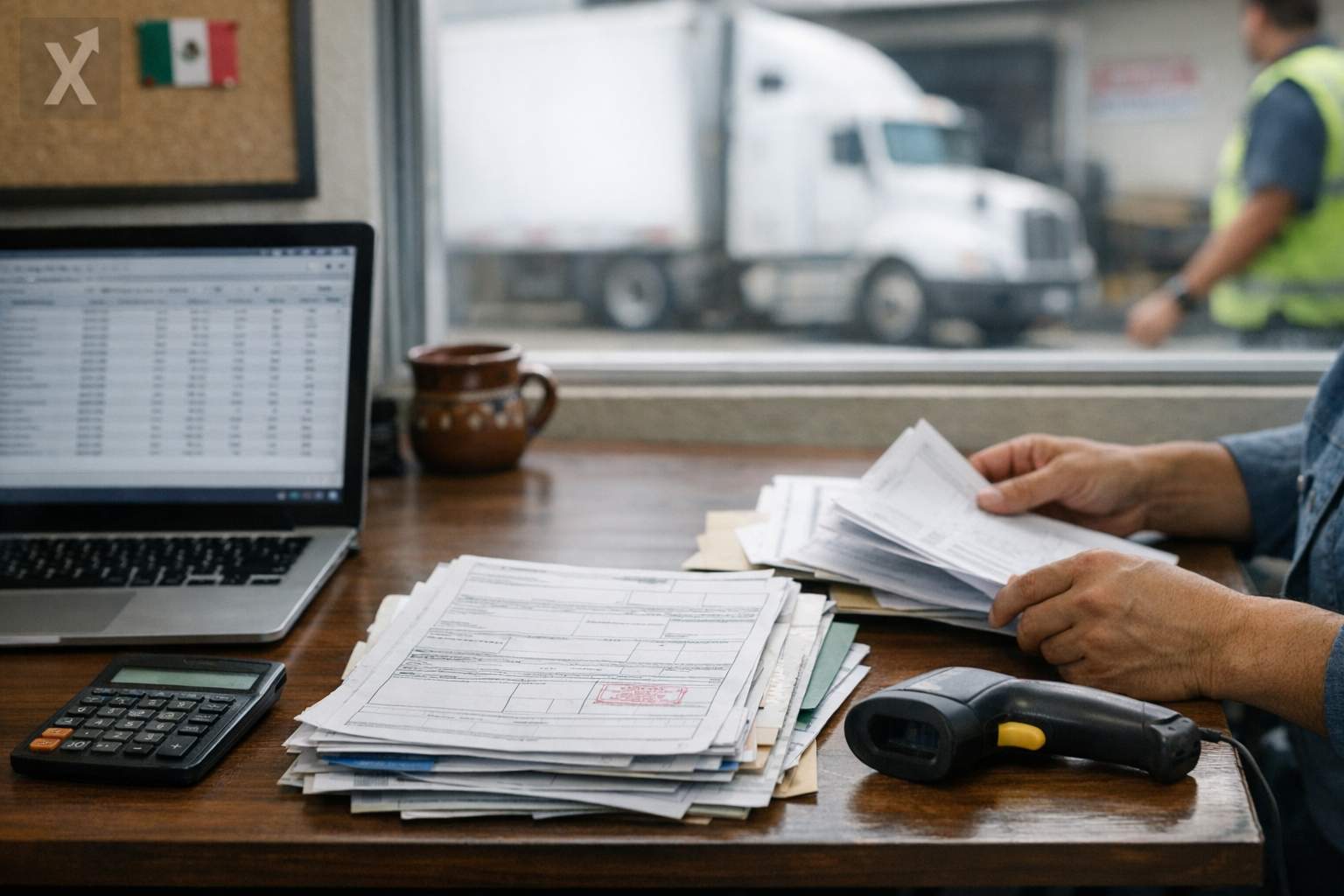
The call by World Trade Organization (WTO) Director-General Ngozi Okonjo-Iweala to speed up an “urgent” reform of the body has brought back to the forefront an issue that, even if it feels far removed, carries direct implications for open economies like Mexico’s. For Mexico—deeply integrated into global supply chains and reliant on foreign trade—the strength of multilateral rules and effective dispute-settlement mechanisms is not a diplomatic matter: it is a key source of certainty for exporters, importers, and investors.
The warning comes at a time of greater global trade friction and rule fragmentation, with countries strengthening industrial policies, revisiting subsidies, and raising non-tariff barriers. In addition, the paralysis of the WTO Appellate Body since 2019—stemming from the United States blocking the appointment of judges—has weakened the system’s ability to provide predictable outcomes in disputes. In practical terms, this creates room for cases to drag on or be “resolved” through unilateral measures, raising costs for companies that operate across multiple markets.
For Mexico, the potential impact is concentrated on three fronts. The first is export exposure: manufacturing—particularly automotive, electrical/electronics, and machinery—depends on clear rules on tariffs, origin, and nondiscriminatory treatment. When the multilateral framework loses strength, the risk grows of unpredictable customs decisions, sudden changes in requirements, and cross-retaliation that disrupts production and logistics plans. The second is investment: a large share of the flows associated with nearshoring rests on the idea of relatively stable trade; if regulatory or tariff noise increases, risk assessments become more costly. The third is imported inflation: global trade shocks can translate into higher input costs, putting pressure on producer prices and, with a lag, on consumer prices.
In this context, Mexico’s agenda faces a delicate balance. On one hand, the country has a very powerful regional anchor in the USMCA, which provides specific rules and its own dispute-settlement framework. On the other hand, many Mexican production chains are not limited to North America: they interact with Asia and Europe, and depend on multilateral disciplines on trade facilitation, standards, and the treatment of subsidies. Further weakening of the WTO would imply a more “bilateralized” world or one organized into blocs, where mid-sized economies must devote more resources to defending market access and navigating shifting requirements.
The debate over WTO reform also intersects with the technology discussion. Okonjo-Iweala pointed to the pace of change associated with Artificial Intelligence and quantum technologies. For Mexico, this ties into domestic challenges: raising productivity, digitizing customs and logistics, and creating regulatory conditions to integrate into new, high-tech value chains. In an economy where competitiveness depends as much on costs as on border-crossing times, infrastructure, and compliance, updating global rules on digital trade, data, services, and intellectual property can become either an advantage or a setback, depending on how quickly the country adapts.
In the coming months, external noise will continue to influence the exchange rate, risk appetite, and corporate planning. In an environment of still-elevated interest rates compared with the past decade and with moderate growth, Mexico needs to minimize sources of uncertainty. If the multilateral system erodes, companies that import inputs or export manufactured goods could face higher compliance costs and greater price volatility, with indirect effects on employment and tax revenues.
Final note: WTO reform is not an abstract issue for Mexico; it is part of the “scaffolding” of certainty that makes it possible to trade and invest under predictable rules. In a world with more tensions and faster technological advances, strengthening dispute-settlement mechanisms and modernizing trade disciplines can reduce risks for the Mexican economy, even as the country continues to rely on regional agreements as its main safety net.






