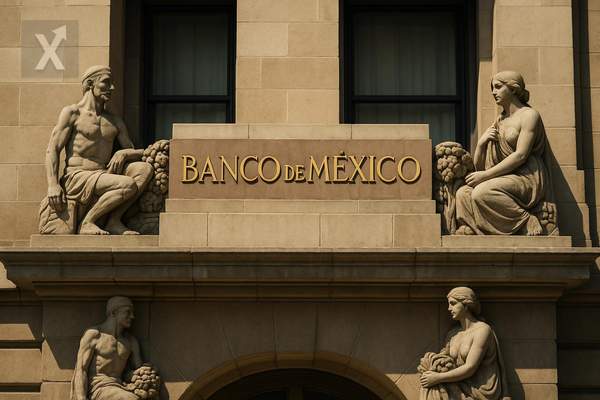
Public Infrastructure Investment Plunges in 2025, Raising Red Flags for Growth and Competitiveness
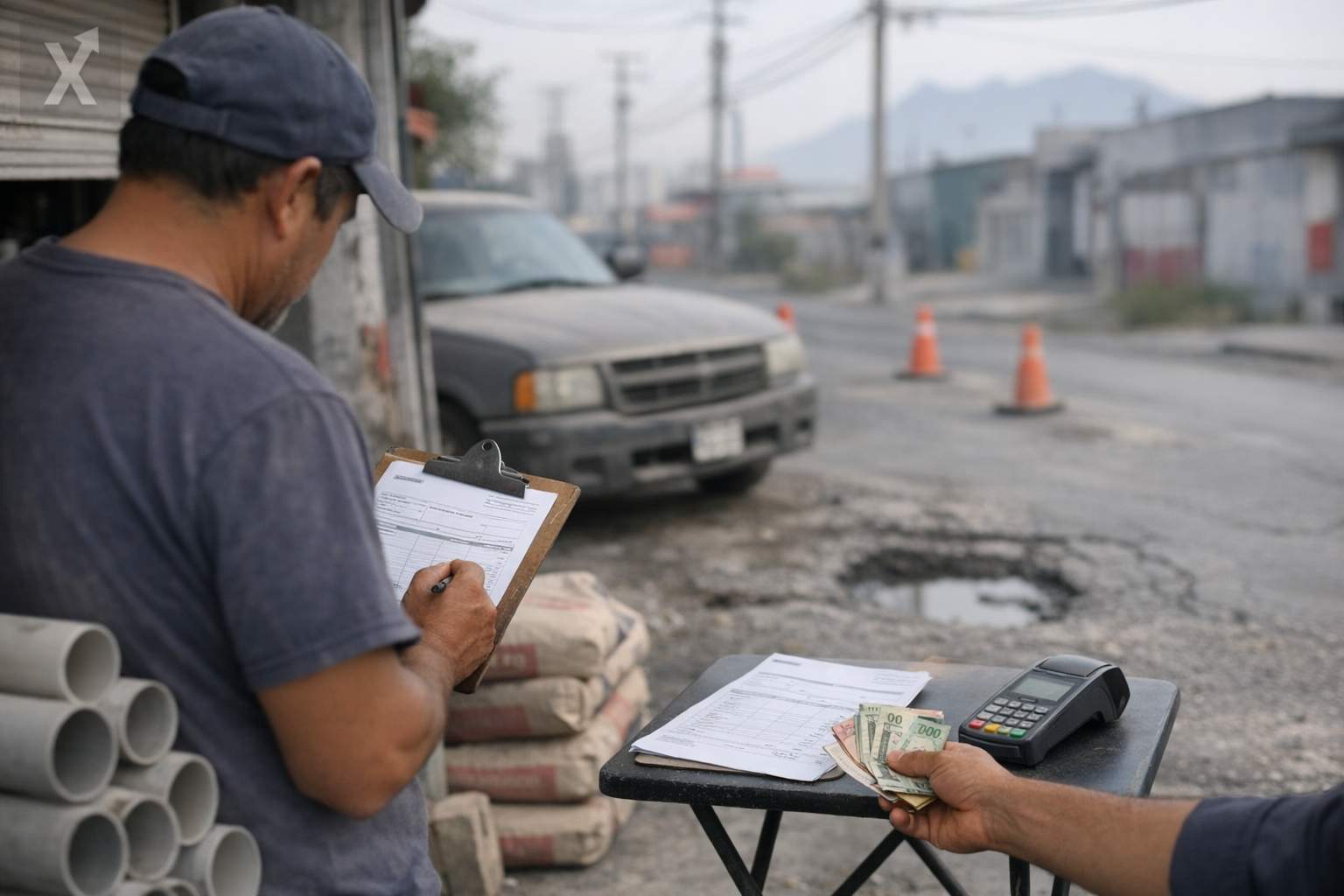
Public-sector capital investment in Mexico ended 2025 with a 28.4% real year-over-year contraction—the steepest drop since comparable records have been available in the historical series dating back to 1991. Infrastructure spending came in at 769.961 billion pesos, below the one-trillion-peso level seen a year earlier, amid budget constraints, social-spending priorities, and a slowing environment that has weighed on growth expectations.
The cut does not happen in a vacuum. Since 2015, as oil revenues fell and fiscal consolidation took hold, public investment has been one of the most adjustable items in the budget. Even as spending on major flagship projects in recent administrations increased the visibility of certain works, analysts have insisted that the backlog is concentrated in “enabling” infrastructure—highways, maintenance, logistics, urban connectivity, ports, and water systems—components that often determine transportation costs, delivery times, and regional productivity.
The 2025 pullback arrives as Mexico seeks to capitalize on nearshoring and the relocation of North American supply chains, but faces bottlenecks in electricity, water availability in northern industrial hubs, and mobility constraints in metropolitan areas. In that environment, the signal sent by public spending matters as much as the amount: when the state reduces its role as the anchor for projects, perceived risk rises and complementary private-sector investment is delayed.
The Ministry of Finance recently announced the Infrastructure Investment Plan for Development with Well-Being 2026–2030, with a project pipeline that aims to mobilize up to six trillion pesos in public and private resources. For 2026, the budget proposes increasing capital investment to around 968 billion pesos (from 2.1% to 2.6% of GDP), and additional amounts have been mentioned for projects in energy, rail, highways, ports, health care, water, education, and airports. Market takeaways, however, will depend on the fine print: which structures will be used (PPPs, concessions, hybrid projects), how risks will be allocated, and how quickly projects can be bid out and executed under clear rules.
The challenge is twofold. On one hand, public investment must regain continuity and funding for maintenance—areas that are often cut first but that determine the useful life of highways, dams, hospitals, and urban networks. On the other, Mexico is competing for capital with other emerging economies and needs conditions that reduce the risk premium: regulatory certainty, more predictable permitting timelines, coordination across levels of government, and the technical capacity to structure bankable projects. In practice, big announcements lose impact if they do not translate into a pipeline, tenders, and measurable physical progress quarter after quarter.
Spending trends also have macro implications. Lower public investment can restrain aggregate demand in the short run—particularly in construction and supply chains—and reduce medium-term potential growth by keeping logistics costs high. In addition, in an environment of still-elevated interest rates and selective credit, public infrastructure often serves as a “catalyst” for industrial parks, housing, and services; without it, private investment tends to concentrate in already-developed areas, widening regional gaps.
In the months ahead, attention will be on the government’s ability to reconcile fiscal discipline with a credible investment agenda. The exchange rate and portfolio flows often respond to signals of macro stability and perceptions of country risk; for that reason, infrastructure decisions, even if they seem sector-specific, end up influencing the broader financial conversation, including demand for hedging in the U.S. dollar for imports and long-term contracts tied to projects.
In short, the 2025 plunge confirms that infrastructure remains the budget’s “shock absorber” when policymakers seek to tighten public finances, while also underscoring the cost of postponing productive investment. The 2026–2030 plan could improve the outlook if it lands with clear rules, effective execution, and public-private coordination; otherwise, the backlog in logistics, water, and energy will continue to be a quiet drag on growth and competitiveness.