U.S. Jobs Blow Past Expectations, Reshaping the Outlook for the Peso and Mexico’s Interest Rates
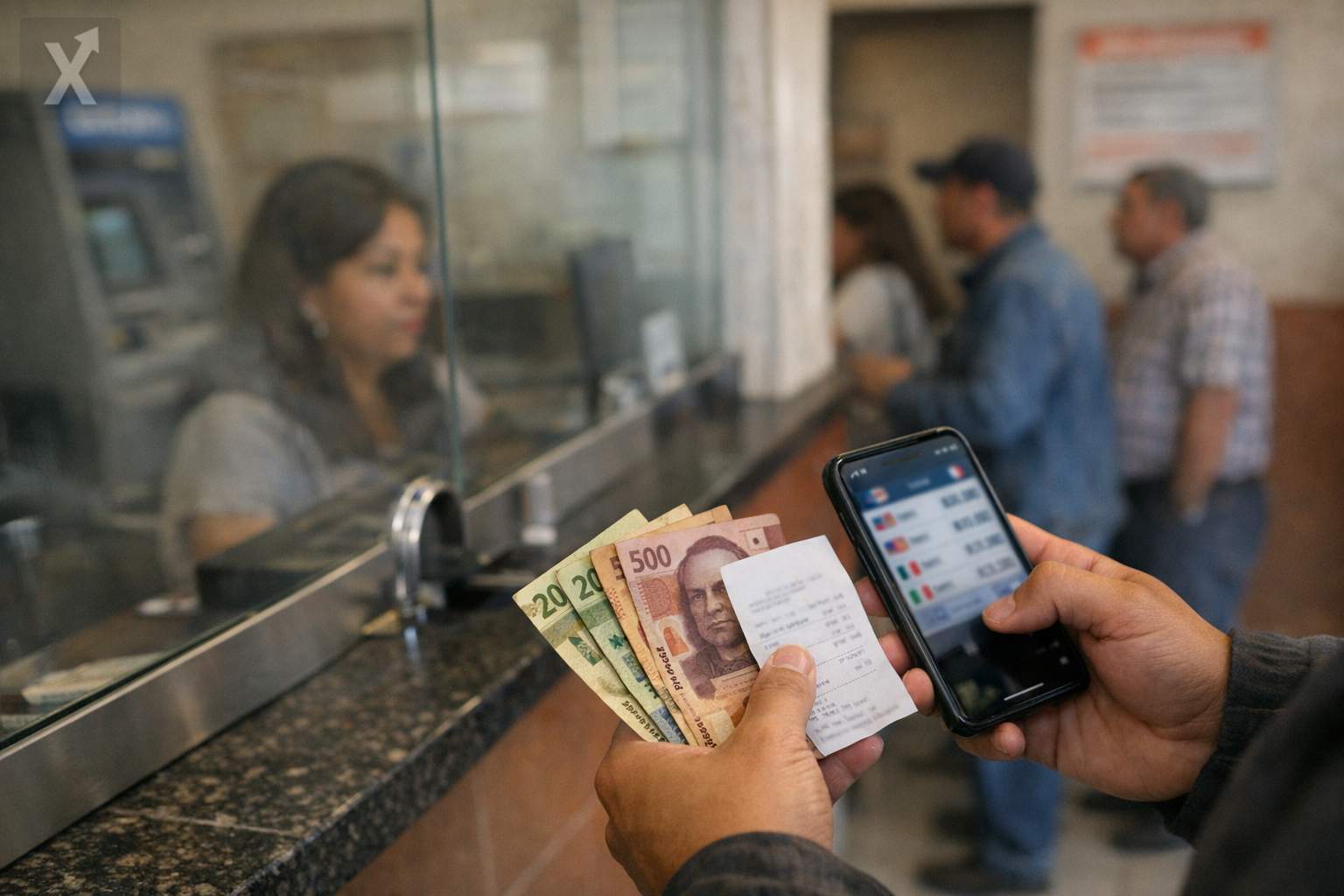
Job creation in the United States exceeded expectations in January, a sign of economic resilience that once again puts the labor market at the center of monetary policy decisions—and, by extension, Mexico’s financial markets. The Department of Labor report showed 130,000 new hires and a drop in the unemployment rate to 4.3%, well above what analysts had anticipated. For Mexico, this kind of surprise typically plays out through two channels: expectations that U.S. rates will stay higher for longer, and a shift in risk appetite that affects the exchange rate and flows into emerging markets.
By sector, the gains were concentrated in health care, social services, and construction, while finance and the federal government cut jobs. The report also highlighted the cumulative reduction in the federal workforce since late 2024, amid administrative cutbacks and bouts of political disruption—including a partial government shutdown—that delayed the data release. In addition, prior months’ figures were revised downward, a reminder that the jobs picture can change with updates—something that often adds volatility around major macro releases.
For Mexico’s economy, a strong U.S. labor market sends mixed signals. On one hand, it supports demand for Mexican manufactured exports—especially in industries tied into the automotive, electronics, and equipment supply chains—and it can bolster remittance flows by sustaining labor income for Mexican households in the U.S. On the other hand, if strong hiring pushes up wages and inflation in the U.S. economy, the Federal Reserve is more likely to keep a restrictive stance for longer, raising global financing costs and putting pressure on asset valuations in markets like Mexico.
On the FX front, the combination of solid U.S. data and expectations for elevated rates typically strengthens the dollar and increases the peso’s sensitivity during “risk-off” episodes. In Mexico, the exchange rate also moves on domestic factors: the interest-rate differential, country risk perceptions, and the fiscal path. In that sense, market attention is split between Banco de México’s rate-cut trajectory, the pace of domestic disinflation, and the balance between fiscal discipline and public spending. As the rate differential narrows, the peso may become more dependent on the external backdrop and on the narrative around global growth.
For Banxico, the U.S. jobs report isn’t decisive on its own, but it is relevant: a more restrictive Fed for longer can complicate the trade-off between cutting rates to support activity and avoiding FX pressures that feed into prices. Domestically, Mexico enters this part of the year with an economy showing signs of slowing in some investment and consumption indicators, while the export sector and tourism have acted as buffers. In this context, the reading of the U.S. labor market becomes part of the broader puzzle shaping credit costs, the exchange rate, and business confidence.
Looking ahead, investors will be watching closely to see whether U.S. job strength holds up, or whether revisions and cooling in some sectors confirm a gradual slowdown. For Mexico, the most favorable scenario would be an orderly slowdown in the U.S.—without a recession—that allows for gradual rate cuts and a stable trade environment; the most challenging would be an inflation reacceleration that forces monetary restriction to last longer and increases financial volatility. Either way, the immediate takeaway is that the U.S. economy continues to set the tempo for the financial conditions Mexico faces.
In sum, the U.S. jobs report reinforces the narrative of an economy that remains solid and revives the debate over how long global rates will stay restrictive; for Mexico, that means opportunities via external demand, but also risks from a stronger dollar, more expensive financing, and a peso that is more sensitive to shifts in risk appetite.






