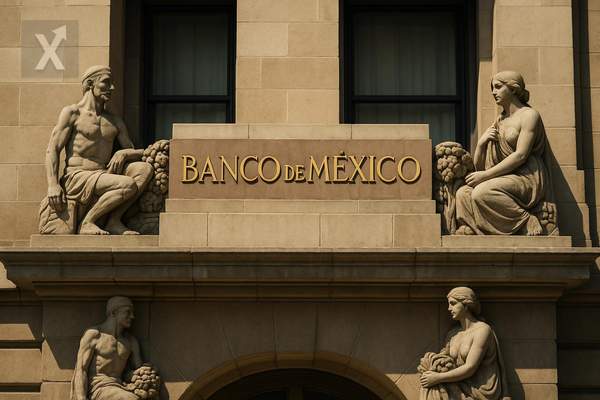
Banxico Debates Caution: The Middle East Conflict Reopens Inflation Risks for Mexico
The geopolitical shock complicates the price outlook and reinforces the message that rate cuts will need to hinge on core inflation.
Mexico’s recent uptick in inflation put the spotlight back on external risks, particularly those stemming from the conflict in the Middle East, which could push up energy and commodity costs. Against that backdrop, the more cautious voices within the Bank of Mexico (Banxico) warned that cutting the policy rate too soon could prove costly if core inflation—the measure that best captures persistent pressures—doesn’t ease clearly enough.
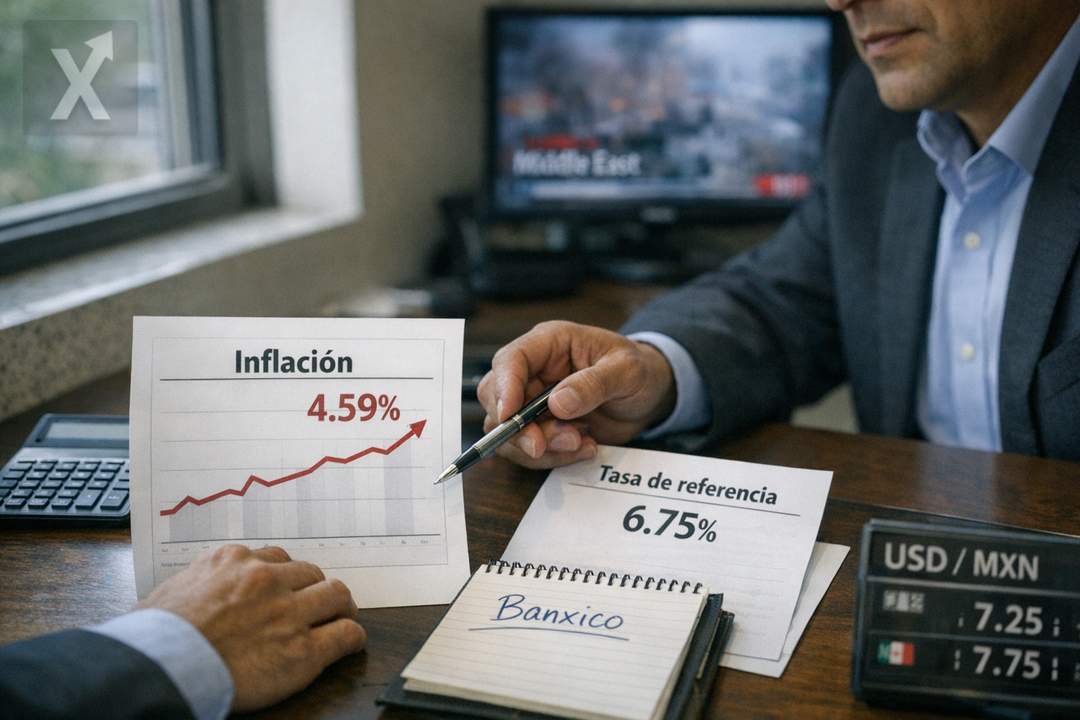
The minutes from the March monetary policy decision, when the Governing Board cut the rate by 25 basis points to 6.75%, show a more nuanced debate over the balance of risks: most members acknowledged that the inflationary impact of the conflict will depend on its duration and intensity, while Deputy Governors Jonathan Heath and Galia Borja favored holding the rate at 7% to buy time and assess the shock with more information.
The case for caution rests on a central argument: when the environment becomes more uncertain, pausing carries no immediate cost if expectations remain anchored; by contrast, cutting while core inflation is still sticky can erode the central bank’s credibility and fuel price and wage adjustments. Internal discussions also reflected the view that supply shocks—energy, food, and certain inputs—can spill over into other price components if they persist.
The debate comes after headline annual inflation rose to 4.59% in March, driven by increases in categories such as air travel, electricity, and certain agricultural goods like tomatoes. For Banxico, moves like these don’t always signal a trend, but they do require distinguishing between temporary swings and pressures that become more persistent—especially when they coincide with a more volatile external environment.
On the fuel front, some members noted that the impact could be limited by domestic maximum-price policies, which reduce the pass-through from international increases to local prices. Still, the cost channel doesn’t disappear: even with buffers in place, a prolonged rise in international benchmarks tends to gradually filter into logistics, transportation, and certain services, while also shaping expectations.
Beyond energy, the minutes highlighted the risk of higher international commodity prices and their effect on production costs. In an economy deeply integrated into manufacturing supply chains—with exports geared toward North America and an ongoing industrial relocation process—more expensive inputs can affect both producer prices and corporate margins, with differing impacts by sector.
Food, Fertilizers, and the Most Persistent Channel of the Shock
One focus flagged by the Board was the potential rise in food prices due to more expensive fertilizers—especially nitrogen-based fertilizers—whose prices often react to geopolitical disruptions and swings in energy markets. For Mexico, this matters because the food component carries significant weight in the price index and also hits lower-income households harder. If fertilization costs stay elevated for several months, they could feed into domestic production and consumer prices for agricultural goods, extending inflation pressure even after other shocks fade.
In monetary policy terms, Banxico’s dilemma is significant: while the rate level has already entered an adjustment phase, the institution has reiterated that the next moves will depend on the path of inflation, inflation expectations, and the behavior of core inflation. In a global environment marked by bouts of volatility, the central bank typically prioritizes consistent signals before accelerating cuts—especially if there’s a risk of renewed inflation from external shocks.
Looking ahead, the market will keep a close eye on three variables: the trajectory of core inflation, the persistence of pressure in food and energy, and how effectively local buffers contain (or fail to contain) pass-through into prices. The episode also underscores that even as Mexico seeks to cement investment and growth around “nearshoring,” inflation can feel external shocks quickly—requiring careful coordination among expectations, monetary policy, and financial conditions.
In short, the message from the minutes is that the Middle East conflict tilted inflation risks to the upside and reinforced a prudent stance: Banxico may continue adjusting the rate, but the pace will depend on firm evidence of disinflation—particularly in core inflation—and on whether cost shocks avoid becoming persistent.