FATF Trains Its Spotlight on Fraud: The Quiet Risk Driving Up Costs in Mexico’s Economy
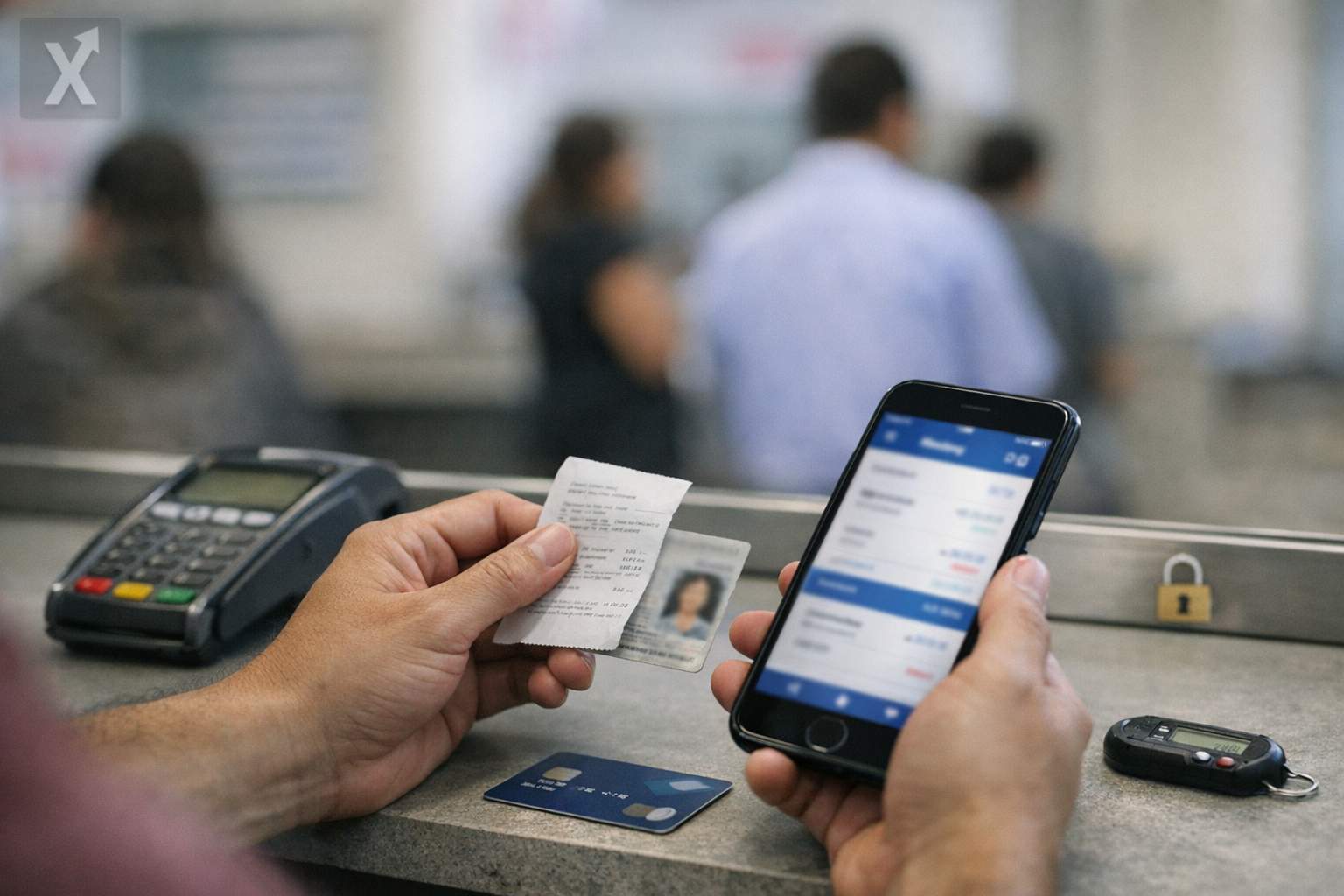
The surge in digital fraud is now a systemic risk putting pressure on banks, businesses, and consumers—and forcing stronger controls without slowing financial inclusion.
Fraud, in its many forms and accelerating sharply with digitization, has become a global threat that no longer affects only individuals. It is beginning to carry broader economic consequences: it raises operating costs across the financial system, undermines trust in digital payments, and pushes regulators and banks to invest more in controls. Against that backdrop, the Financial Action Task Force (FATF) strengthened its agenda to confront the problem during its Fifth Plenary Meeting held in Mexico City.
The organization’s president warned that fraud is behaving like an “epidemic” and emphasized that exposure is widespread—from minors who gain early access to devices, to older adults and users with low levels of digital literacy. Data from the Global Anti-Scam Alliance, cited at the meeting, estimate that nearly half of consumers worldwide face threats or attempted fraud at least once a week, while global losses tied to scams reached about $1 trillion last year—an environment in which criminals benefit from the speed of money movement and the cross-border fragmentation of flows.
In Mexico, the phenomenon is unfolding at a time of rapid expansion in electronic payments, e-commerce, and instant transfers. That progress, which has improved financial inclusion and access to services, also expands the attack surface: romance scams, extortion, identity theft, fake investments, and fraud via messaging apps or social media find fertile ground where there is urgency for credit, appetite for returns, and everyday use of financial apps. For the FATF, the challenge is not marginal: it is a risk that combines cybercrime, money laundering, and verification weaknesses, with potential effects on stability and trust in the system.
At the plenary, the organization updated materials to address fraud enabled by digital channels, including guidance aimed at improving asset recovery—precisely because money can be dispersed in seconds across accounts, platforms, and jurisdictions. It also reviewed elements of Recommendation 16—related to the payments system—to incorporate defenses against fraud and operational error, acknowledging that modern payments require more refined controls that do not rely only on traditional alerts or after-the-fact reviews.
A hidden cost: more fraud, more friction, and a higher price of credit
Beyond the direct harm to victims, fraud tends to create an invisible “tax” on the economy: it forces banks, fintechs, and merchants to strengthen authentication, monitoring, and verification; increases spending on cybersecurity and dispute handling; and, ultimately, can be passed on through fees, risk premiums, or tighter credit terms. In a country where domestic consumption remains an important growth engine and where millions of transactions already run through transfers and cards, a sustained wave of fraud can introduce friction: users returning to cash out of distrust, merchants restricting payment methods, and companies tightening customer onboarding processes—hurting market efficiency.
The balance is delicate. If controls become excessive, financial inclusion can suffer: more requirements, more rejections, and higher costs for lower-income users or those with limited credit histories. For that reason, the FATF also adjusted Recommendation 1—linked to financial inclusion—so countries adopt safeguards that reduce fraud without shutting the door on new users. For Mexico, this intersects with the growth of digital accounts, the expansion of remote channels, and the need to improve financial and digital education, especially among vulnerable segments.
The macroeconomic impact of fraud is not usually captured immediately in indicators such as inflation or growth, but it can show up in productivity and confidence: when businesses and households spend time and money resolving unauthorized charges, recovering savings, or dealing with identity impersonation, well-being declines and efficiency deteriorates. In addition, “investment” scams tend to intensify during periods of high interest rates or volatility, when the public seeks quick returns without understanding the risks—a particularly relevant point in a global environment of monetary tightening and shifting risk perceptions.
Looking ahead, the FATF’s emphasis points to a phase of stronger coordination among authorities, financial institutions, and technology platforms to curb fraud and improve fund traceability, with a focus on speed in freezing or recovering assets. For Mexico, the challenge will be to strengthen investigative and preventive capabilities, promote security standards in payments, and raise the user verification culture—without slowing the digitization that has been key to expanding access to financial services.
In perspective, the plenary’s message is that fraud has stopped being an “individual” problem and has become a cross-cutting economic risk: it erodes trust, makes transactions more expensive, and forces a redesign of controls. The challenge will be to move toward a safer, more agile payments ecosystem, with rules and practices that protect users while preserving inclusion.






