Raúl Medina Mora Icaza Dies: Corporate Philanthropy and Modernization in a Mexico Under Social Pressure
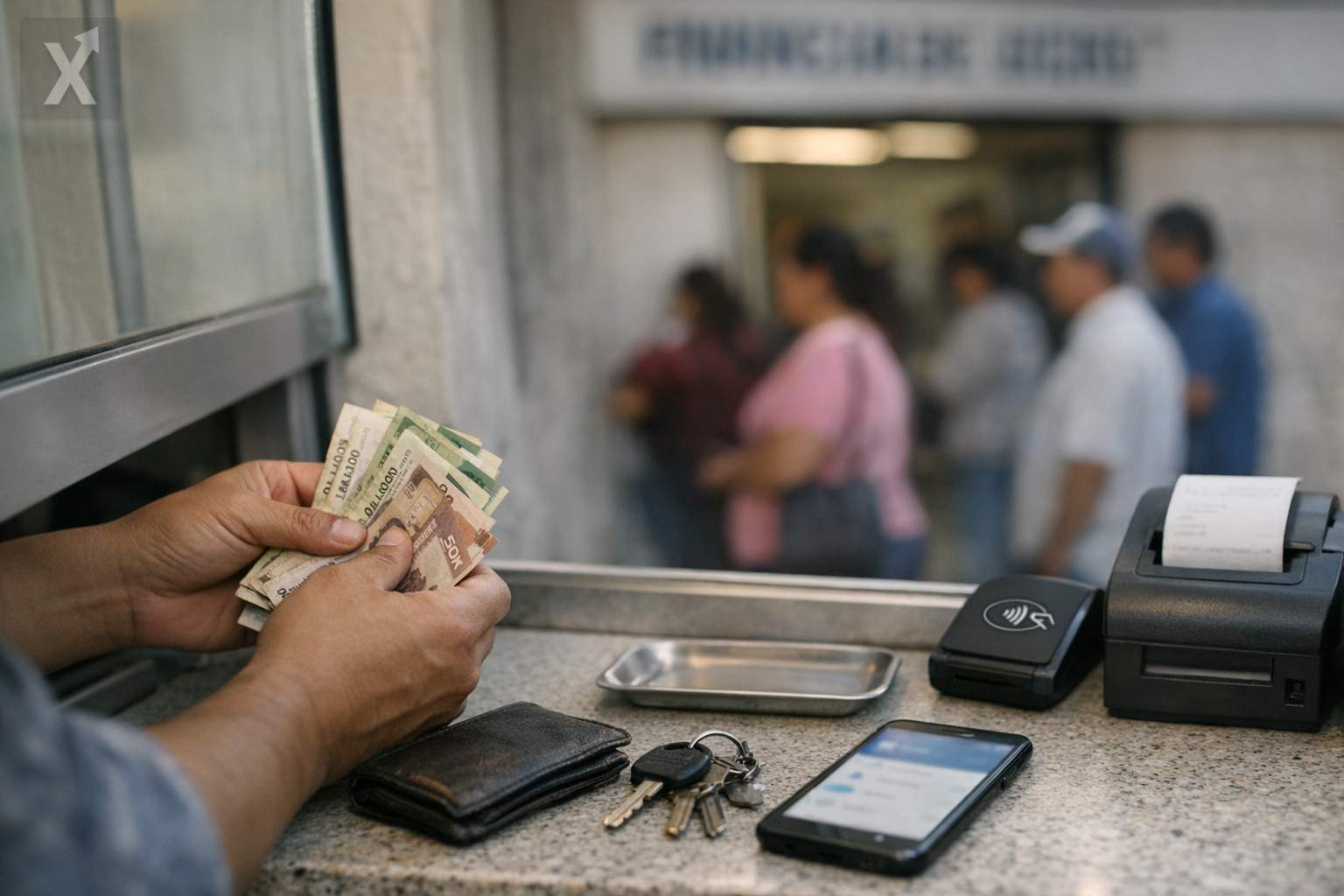
Medina Mora Icaza’s career reopens the conversation about how the private sector influences financial inclusion and social assistance in Mexico.
Raúl Medina Mora Icaza passed away on February 13, according to statements released by representatives of the business sector. His death prompted public messages from chambers of commerce and industry organizations that underscored his role in spaces where business, institutional governance, and social-impact projects intersect—especially through Nacional Monte de Piedad, a private charitable institution where he served as chairman of the board of trustees.
In a country where inequality and informality remain structural challenges, business leaders view Medina Mora Icaza as part of a generation that sought to combine economic activity with institutionalized social responsibility. Tributes from the Business Coordinating Council (CCE) and Concamin focused on his involvement in the organizational sphere, as well as his support for initiatives aimed at expanding capabilities—education, youth training, and service modernization—at a time when public debate centers on productivity, social cohesion, and trust in institutions.
Mexico’s ambassador to the United States (U.S.), Esteban Moctezuma Barragán, noted that Medina Mora Icaza pushed for digital modernization when it was not yet a dominant topic on the public agenda. That emphasis matters today, as technological transformation runs from banking to retail, and as charitable organizations face the dual challenge of meeting new needs while doing so with processes that are more transparent, agile, and traceable.
His career also unfolded in an economic context where growth has remained moderate and marked by bouts of financial volatility, increasing demand for safety nets and short-term liquidity mechanisms for households. In Mexico, formal employment performance, real wage trends, and the cost of credit largely determine the pressure on family finances; accordingly, socially oriented institutions—including those operating under private-assistance structures—become part of the ecosystem that helps cushion shocks, albeit with specific reach and limitations.
Digitizing Social Institutions in a More Competitive Payments and Credit Environment
Operational modernization and the adoption of digital tools in traditional institutions is not just cosmetic—in practice, it can reshape costs, wait times, internal controls, and service capacity. In recent years, Mexico has seen faster adoption of digital payments, mobile banking, and fintech models, while consumers face higher expectations around security and data protection. For organizations with a broad user base, digitizing processes can help reduce friction and expand coverage, but it also requires sustained investment, training, and strong governance to prevent operational and reputational risks.
Against that backdrop, the legacy that business leaders attribute to Medina Mora Icaza points to the idea that technology can be a lever for efficiency even in institutions with social missions. The discussion is especially relevant in an interest-rate environment that has raised the cost of financing and where access to liquidity—formal or informal—becomes a critical lifeline for millions of people. How social entities adapt to a more competitive financial market can affect their sustainability and their ability to serve groups that are often left out of traditional bank credit.
Medina Mora Icaza’s passing also comes as the private sector maintains an active agenda on corporate governance, transparency, and social responsibility, under pressure from investors, consumers, and regulators. In Mexico, debate over the social role of business often intensifies when there are external shocks—global slowdown cycles, shifts in supply chains, or tensions in international trade—because these episodes magnify needs related to jobs, skills training, and community support.
Looking ahead, the episode leaves a broader debate on the table: how to strengthen collaboration models among business, social institutions, and the public sector without replacing responsibilities, but by increasing responsiveness. Digital modernization, accountability, and social-impact measurement are emerging as increasingly central criteria for these organizations’ credibility, particularly in an economy seeking to attract investment, boost productivity, and sustain macroeconomic stability in an uncertain global environment.
In sum, Raúl Medina Mora Icaza’s public career is remembered for his ties to institutional philanthropy and for driving operational changes in an emblematic organization; his death also serves as a reminder that inclusion, efficiency, and trust are key pieces of Mexico’s economic and social fabric.






