Wellness Ahead of the 2026 World Cup: The New Battle for Fan Spending in Mexico
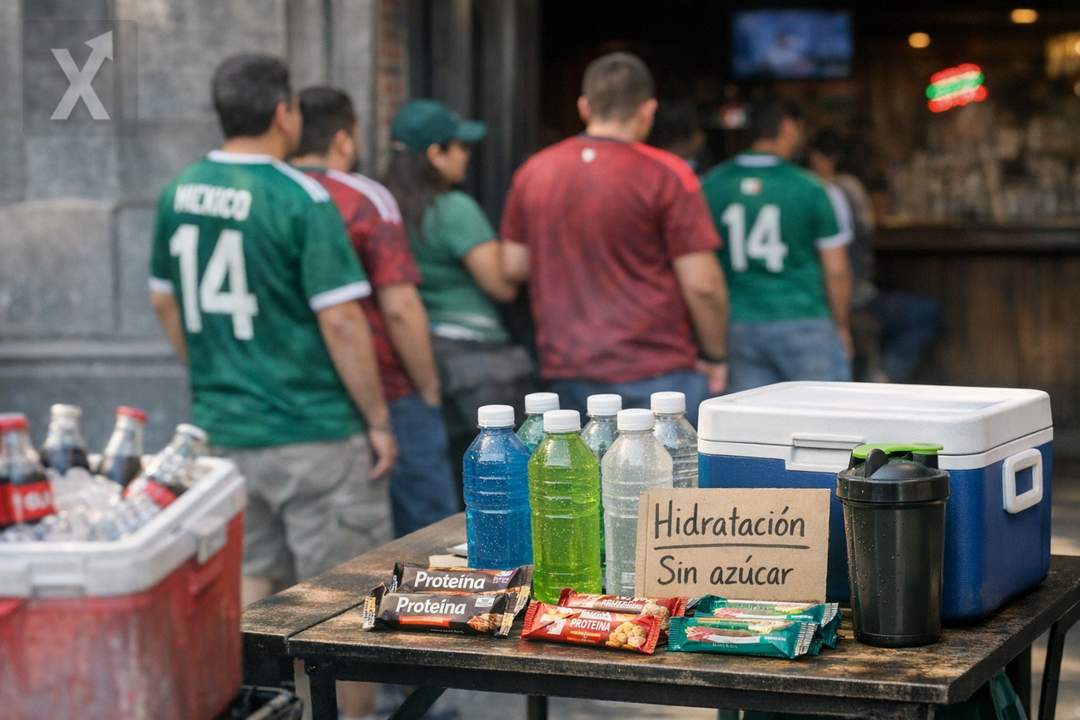
With the 2026 World Cup approaching, wellness-related consumption is looking to steal share from soda and snack foods in the Mexican fan’s budget.
With the 2026 World Cup on the horizon—and Mexico as one of the key host countries—multiple industries are already gearing up to capture the spending that ramps up around soccer. Historically, a large portion of that flow has gone to categories like soft drinks, beer, and salty snacks. But the wellness business is arriving with a different narrative: selling physical performance, health, and stress management as part of the World Cup experience.
This shift is significant. Mexico has established itself as an important market in the wellness economy: the physical activity segment has remained dynamic, and mental wellness has gained momentum since the pandemic, driven by greater public awareness and a consumer more attuned to stress, sleep, and emotional health. At the same time, wellness tourism and the supply of “healthy” experiences (from boutique studios and gyms to supplements, functional hydration, and digital platforms) have expanded in cities and tourist destinations with strong infrastructure and connectivity.
According to estimates from the Global Wellness Institute, Mexico’s physical activity market came in at around $18.7 billion in 2024, with notable gains since 2019. Growth has been especially visible in mental wellness categories and related services. In a country with high rates of overweight and a strong tradition of consuming sugary drinks, these figures point to a gradual—though still incomplete—shift in consumer preferences.
The World Cup acts as an accelerator: it concentrates audiences, increases social gatherings, and multiplies “consumption moments.” For the wellness ecosystem, the challenge is turning that opportunity into real purchases—from zero-sugar beverages and hydration electrolytes to protein-forward snacks, short-term memberships, classes, coaching, and routines tied to the broader sports conversation.
Between Cravings and Health: A Clash of Consumption Models
This fight is up against a giant. Mexico’s carbonated soft drink market totals tens of billions of dollars a year and maintains a dominant presence in convenience stores, restaurants, and sponsorships. During mass events, the pattern tends to intensify: consumption of calorie-dense products rises due to the mix of convenience, relative price, ingrained habits, and emotional marketing. Industry analysts have projected demand spikes reaching double digits during key moments of the tournament, driven by family get-togethers, bars, restaurants, and fan zones.
Even so, the playing field is changing. Over the past decade, regulatory pressure (such as front-of-package warning labels and the tax on sugary drinks) along with greater health concerns have pushed manufacturers and bottlers to broaden their portfolios with zero-sugar options, functional hydration, and sports drinks. From a business standpoint, the goal is no longer just volume—it’s product mix and value, with categories that support better margins, greater differentiation, and positioning that aligns with the wellness message.
This transition comes with tension: on one hand, the search for “healthier” alternatives and, on the other, the persistence of high consumption of sugary beverages. Academic research and consumer advocacy groups have highlighted the health burden associated with these products and how the connection between brands and sports can transfer positive performance attributes to items that, nutritionally, don’t necessarily support them. Given its media scale, the World Cup amplifies that debate.
For wellness players, growth won’t depend only on sponsorships, but also on logistics, availability, and price. In Mexico, inflation has cooled from recent peaks, but consumers remain sensitive to the cost of basic necessities and discretionary spending. That forces wellness offerings to compete on perceived value: “it’s good for me” has to translate into “it’s worth what it costs.” In addition, labor informality and regional disparities limit access for a large share of the population to gym, nutrition, and mental health services—creating room for more affordable models (digital subscriptions, low-ticket products, and retail partnerships).
The clearest opportunity is convergence: legacy brands rolling out functional lines, and wellness companies using the World Cup as a showcase to bring healthier habits to the mass market. If the industry can shift the conversation from “watch the match with a soda” to “watch the match and take care of myself,” the event could leave a mark beyond a few weeks of euphoria: incremental changes in habits, investment in service offerings, and fiercer competition for household budgets.
In perspective, the 2026 World Cup could become a consumption laboratory for Mexico: a collision between legacy categories and new wellness promises, with implications for public health, product innovation, and commercial strategy. The outcome likely won’t be full substitution, but a gradual reallocation of spending—rewarding the players who understand consumers best and offer options that are convenient, credible, and affordable.






