Mexico Hardens Its Trade Stance Toward China as the Asian Giant Gains Ground in Latin America
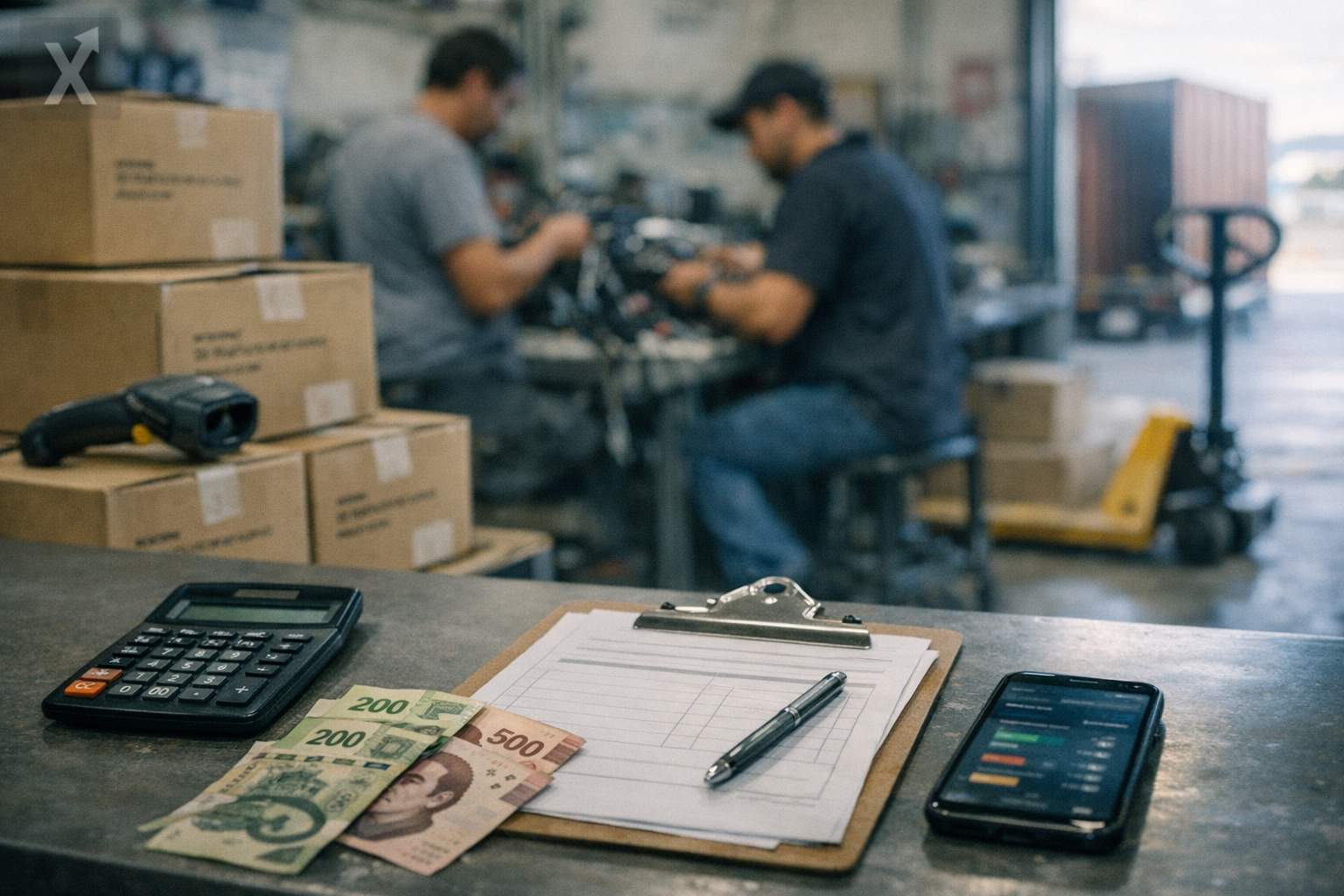
Over the past 20 years, China has gone from being a peripheral partner to becoming a central player in Latin America’s economy. Today, it is the region’s second-largest trading partner—behind only the United States—and in South America it already ranks first as a trade counterpart. This repositioning comes as Mexico adjusts its trade policy with tariff measures and tighter controls on certain Asian imports, amid domestic industrial pressure and the need to comply with USMCA rules.
China’s advance in the region reflects a long-term strategy: securing access to raw materials, expanding markets for its manufactured goods, and building a presence in strategic sectors. In trade terms, commerce between China and Latin America has surged since the start of the century: between 2000 and 2020 it grew by more than twentyfold, and by 2024 total flows exceeded half a trillion dollars. Various forecasts suggest this relationship will keep expanding over the next decade, in line with demand for critical minerals, the energy transition, and the spread of more regionally anchored supply chains.
Latin America’s export basket to China remains heavily concentrated in primary goods. Minerals, oilseeds (such as soybeans), and fuels dominate shipments; on the other side, China sells higher value-added manufactured products, from machinery and electrical equipment to vehicles and auto parts. That pattern—raw materials in exchange for manufactured goods—has boosted export revenues in South American countries, but it has also fueled debates about dependency, limited productive diversification, and vulnerability to commodity price cycles.
Beyond trade, Chinese investment has gained weight, with a footprint that is especially visible in energy, mining, and infrastructure. Latin America ranks among the most important destinations for Chinese capital outside Asia, with an accumulated stock concentrated in projects tied to natural resources and logistics. While annual totals have swung up and down in recent years, geographic diversification is clear: Brazil remains the top recipient, but economies such as Peru, Mexico, Argentina, and Chile have increased their share of project inflows.
In mining, lithium and copper are key pieces of this equation. China has stepped up investments in the “lithium triangle” (Argentina, Bolivia, and Chile), which holds a meaningful share of global reserves, while Chile and Peru—copper powerhouses—send a substantial portion of their exports to the Chinese market. The trend is linked to transport electrification, power-grid buildouts, and the growth of battery industries, which keeps global competition for strategic inputs intense.
In infrastructure, Beijing has extended its Belt and Road Initiative into Latin America, with marquee projects such as the Chancay megaport in Peru, which aims to shorten shipping routes to Asia and reshape regional logistics. At the same time, Chinese development banks have provided significant financing since the mid-2000s, in several cases tied to energy and infrastructure. This has helped accelerate projects, but it has also increased scrutiny around debt terms, transparency, and geopolitical risks.
In Mexico, the relationship with China is defined by a dual reality: on the one hand, the country competes with Chinese manufacturing in sensitive segments (textiles, footwear, steel, electronics, and consumer goods); on the other, it is integrated with Chinese suppliers in industrial chains that serve the North American market. In recent years, the Mexican government has turned to tariffs, customs reviews, and measures against unfair trade practices in certain products, in a context where the trade deficit with China remains a recurring issue for domestic industry.
At the same time, investment tied to Chinese companies has become more visible, especially since the global reshaping of supply chains after the pandemic, the U.S.–China trade war, and the push for nearshoring into Mexico. International reports estimate relatively modest net inflows if you look only at direct records, but private analyses suggest larger amounts because some investment is routed through subsidiaries in third countries. In any case, its weight remains significantly smaller than U.S. capital, which continues to be the main source of foreign direct investment in the country.
The auto and auto-parts sector stands out as an entry point: dozens of Chinese companies already operate in Mexico, primarily as suppliers, integrating into clusters in the country’s north. There is also a presence in electronics, machinery, light manufacturing, renewable generation, and port logistics. In parallel, Mexico’s challenge is to capitalize on nearshoring by raising domestic content, upgrading electricity and transportation infrastructure, and improving regulatory certainty—without straining trade relations with its main USMCA partners or exposing vulnerabilities in strategic sectors.
Looking ahead, the balance will be delicate. If Mexico toughens measures against undervalued imports or those that evade rules of origin, it could benefit local producers, but it could also raise costs for companies that rely on Asian inputs. In an environment where Banxico has maintained a restrictive stance to lock in disinflation, and where growth faces constraints from limited public investment, energy availability, and external risks, trade policy becomes a tool with second-round effects on prices, competitiveness, and capital attraction.
In sum, China continues to consolidate its role as a key trade partner and investor in Latin America—especially in South America—while Mexico adjusts its strategy to protect sensitive sectors and, at the same time, take advantage of production shifting toward North America. The outcome will depend on how quickly the country strengthens its industrial base, infrastructure, and competition rules, and on how the geopolitical and trade landscape between Washington and Beijing evolves.






