Mexico Raises Tariffs on Cars from Non-FTA Countries; China and Other Partners Warn of Trade and Investment Fallout

China’s Ministry of Commerce described the tariff measures approved by Mexico for vehicles originating from countries without free trade agreements—including China, India, and South Korea—as “unilateral” and “protectionist.” The Chinese authority announced it would monitor the impact of the decision and urged Mexico to reconsider the hike, which, according to industry sources, could push tariffs as high as 50% starting in 2026.
This measure comes amid a global environment of increased trade barriers and ongoing pressure from the United States to prevent cars—especially electric and low-cost vehicles—from entering the North American market through Mexico. In this context, the Mexican government has previously argued that tariff adjustments are intended to “level the playing field” against imports from countries without trade agreements and to address potential practices of undervaluation or transshipment, all without violating obligations under the United States-Mexico-Canada Agreement (USMCA).
According to industry information, the tariff hike could impact annual shipments worth close to $1 billion, with manufacturers such as Volkswagen, Hyundai, Nissan, and Suzuki among those most exposed due to export platforms in India and South Korea. For India, Mexico is its third largest export market for vehicles, especially subcompacts with engines under one liter, a segment that serves price-sensitive consumers in the Mexican market.
The debate arrives at a time when the Mexican economy is showing resilience, supported by the strength of the auto sector, nearshoring-driven investment, and a relatively solid labor market. However, an increase in tariffs on low-cost cars could put upward pressure on consumer prices in the short term, at a time when overall inflation has eased but pressures remain in certain segments. For local manufacturers and distributors, the challenge will be to balance protection for existing production with access to entry-level models.
In the realm of foreign trade, the tariff adjustment presents mixed effects. On one hand, it could incentivize more assembly within Mexico or the broader USMCA region to comply with rules of origin and avoid tariffs. On the other hand, there is a risk of retaliation or some exporters redirecting supply to other markets, which would reduce the diversity of models available in Mexico. South Korea has indicated it will consider its options, while Indian auto groups have asked their government to negotiate with Mexico to maintain predictable market access conditions.
For Mexico’s auto industry, which mainly produces for export and accounts for a significant share of manufacturing GDP, the measure could serve as an added incentive to localize new projects—especially if accompanied by policies supporting regional content, logistics infrastructure, and regulatory certainty. Still, attracting investment requires a delicate balance: clear rules to prevent tariff evasion, but not so strict as to deter new capital or technology.
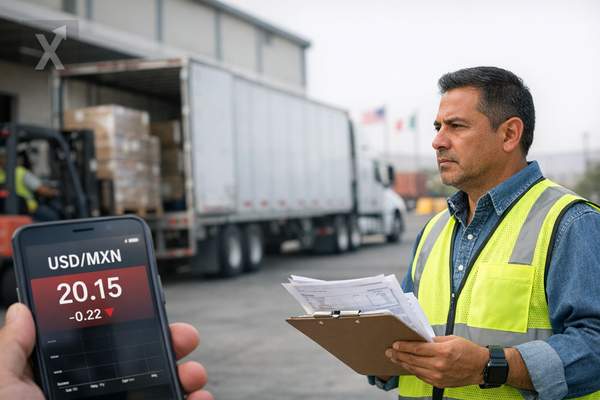
On the regulatory front, implementation will be the main challenge. A tariff of up to 50% would require strengthened customs, improved value and origin verification, and close coordination with trade partners to minimize distortions. Communication with consumers will also be key, given the potential for price or availability adjustments in some popular models. Exchange rate performance, central bank interest rates, and domestic demand trends will all play a role in how costs are passed through to final prices.
Looking ahead, three variables will determine the outcome: the response from affected partners, the clarity of Mexico’s roadmap through 2026, and interaction with USMCA, whose auto-sector rules will remain under scrutiny during the agreement's review. If higher tariffs are accompanied by greater investment in the regional supply chain and efforts to boost competition and productivity, the automotive ecosystem may be strengthened; if they result in reduced supply and higher prices, the impact would fall on consumers and market variety.
In summary, the tariff adjustment reflects Mexico’s effort to manage import flows from countries without FTAs and safeguard its industrial base in an era of growing global protectionism. The final balance will depend on how the new policy is implemented, the reaction from China, India, and South Korea, and the market’s capacity to absorb these changes without seriously affecting prices, variety, and competition.