USMCA Review Intensifies Pressure on Mexico to Implement a Security Screening for Foreign Investment
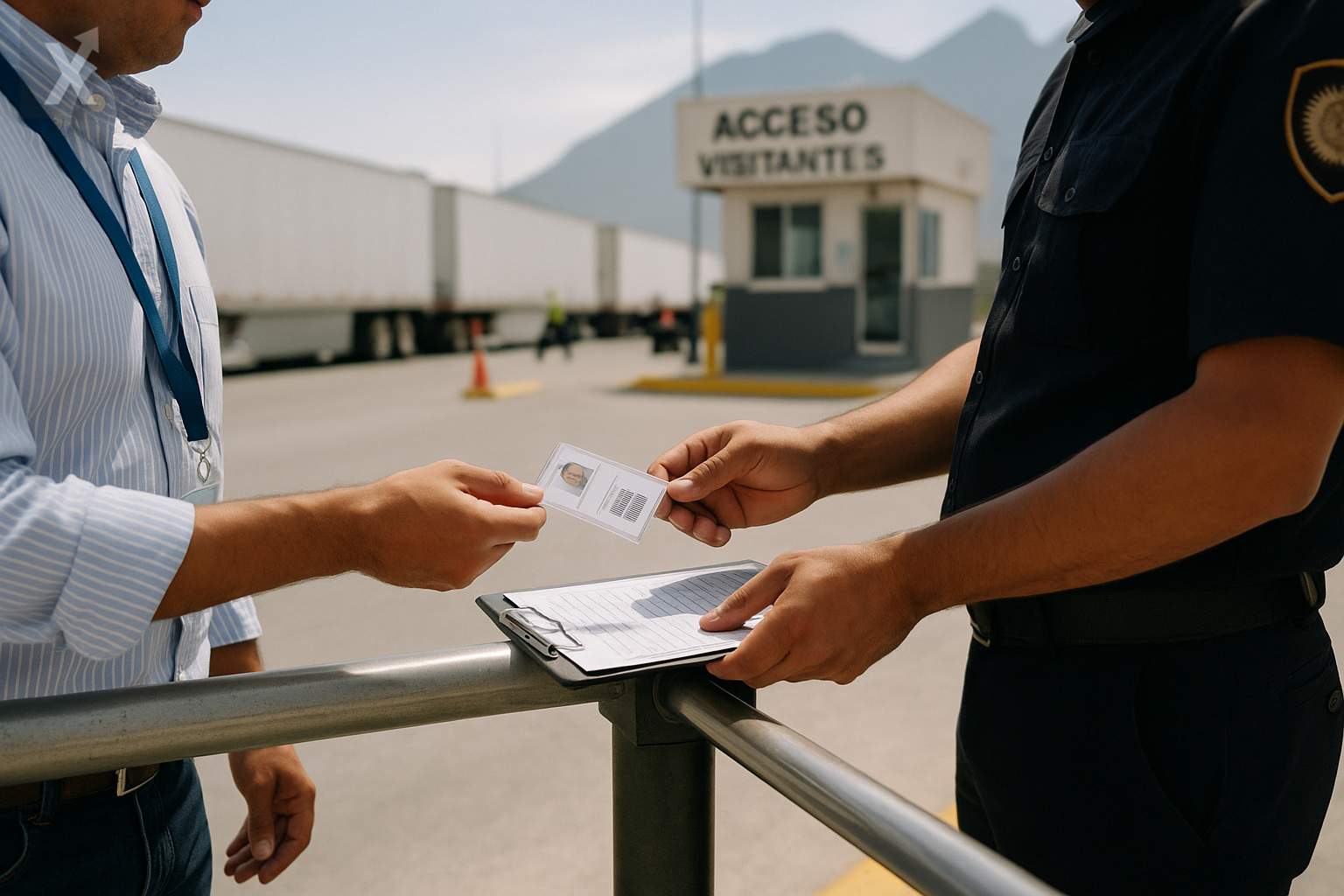
Mexico is entering the mid-term review of the USMCA with a key difference compared to the United States and Canada: it lacks a formal mechanism to evaluate, and if necessary, condition or block foreign investments on grounds of national or strategic security. In a context of geopolitical tensions, relocation of manufacturing, and increasingly sensitive supply chains, this absence has become a point of concern for Washington and Ottawa. They see Mexico as a potentially vulnerable link within North America’s economic architecture.
While the United States has operated for decades with CFIUS—an interagency committee that reviews acquisitions and equity stakes by foreign investors in critical sectors—and Canada enforces the Investment Canada Act with “net benefit” and “national security” criteria, Mexico is governed by the Foreign Investment Law and the National Commission of Foreign Investments. Their mandate focuses primarily on reserved activities and equity limits, not on security risks. Economic competition and anti-money laundering reviews are also in place, but there is currently no comprehensive economic security screening comparable to what its partners have implemented.
The issue gained momentum following US public hearings on USMCA performance, where experts warned that without an investment screening mechanism, Mexico is exposed to high-risk operations and regulatory asymmetries are created in the region. There are concerns about goods being triangulated into the US market—particularly in sectors like steel, connected vehicles, medical equipment, or port logistics—and about a growing presence of capital originating in China, which has accelerated its entry into Mexico amid the nearshoring surge. The digitalization of production processes, data management, and advances in sensitive technologies heighten the risk profile in supply chains such as semiconductors and critical minerals.
Previous coordination efforts exist. In December 2023, the US Treasury Department and Mexico’s Ministry of Finance signed a memorandum of intent recognizing the relevance of investment controls as an economic security tool. Since then, two possible paths have been raised in public debate: the creation of a national mechanism that brings together agencies such as Finance, Economy, Security, Defense, Navy, Foreign Affairs, IFT, and Cofece; or moving towards a coordinated trilateral arrangement that facilitates information exchange, traceability of ultimate beneficiaries, and common risk mitigation criteria.
Implementing a security filter does not mean closing the door to foreign investment—one of Mexico’s growth engines—but it would require clear rules, defined timeframes, and due process safeguards to avoid arbitrariness. International experience shows that well-designed frameworks provide certainty to genuine investors and allow for the identification and mitigation of risks in critical infrastructure, data, energy, telecommunications, and advanced technologies. A system that is opaque or overly restrictive, on the other hand, could hinder projects and drive up financing costs.
This debate comes as Mexico capitalizes on the reorganization of production chains: the country has become the main trading partner of the United States, and announcements of plant expansions in the north and the Bajío region continue. However, bottlenecks remain in electricity, water, logistics, and permitting processes, all of which condition the arrival of capital. Any investment review mechanism would need to be coordinated with this broader infrastructure and rule-of-law agenda, strengthening capacities to track ownership structures, financial flows, and the use of sensitive technologies.
Looking ahead to the scheduled USMCA review at the six-year mark since its entry into force, the issue could escalate to the negotiating table alongside labor, energy, and compliance matters. If Mexico does not define its own mechanism, it is likely that the US and Canada will ramp up their demands to close these gaps, or adopt unilateral measures that could impact suppliers operating in Mexico. An investment screening framework would allow Mexico to align with its partners, reduce vulnerabilities within the region, and offer greater predictability to the wave of nearshoring-related investments.
In short, the absence of a security screening mechanism for investment has become a strategic issue: Mexico faces the challenge of striking a balance between openness and protection, with transparent rules and regional coordination. The design of such a mechanism will determine whether it strengthens North American integration or becomes a new source of friction in the upcoming USMCA review.