Design and Security Banknotes: The Global Contest Reviving Mexico’s Cash Debate
The countdown is already underway for the international competition that each year crowns the “most beautiful banknote in the world.” The International Bank Note Society (IBNS), an association of experts and collectors, will keep nominations open through January 31 to select the 2025 Banknote of the Year—an announcement that, based on the organization’s usual calendar, will be made in April. So far, the list includes 11 entries from different regions, with proposals ranging from cultural scenes and marine wildlife to trains, architecture, and historical portraits.
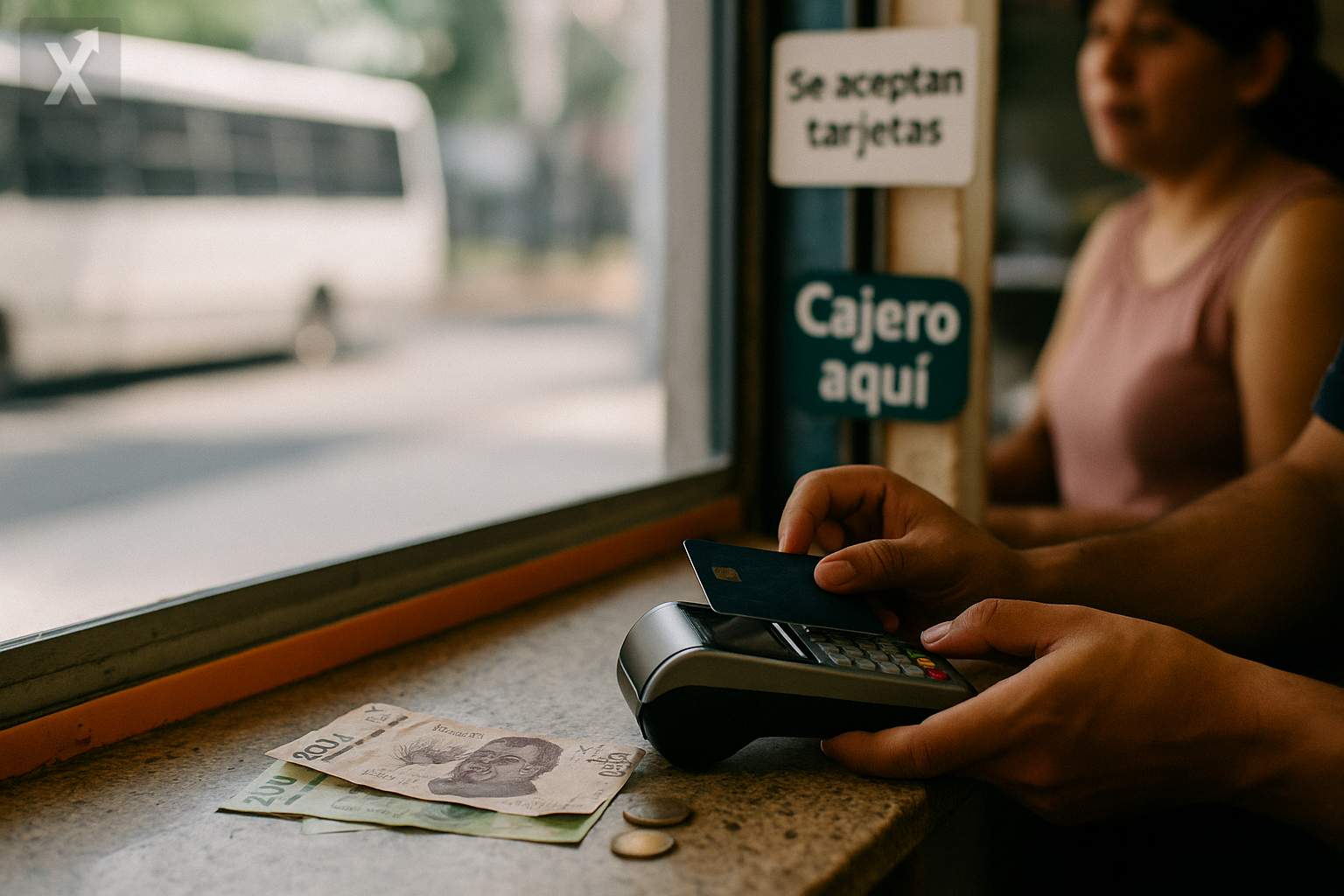
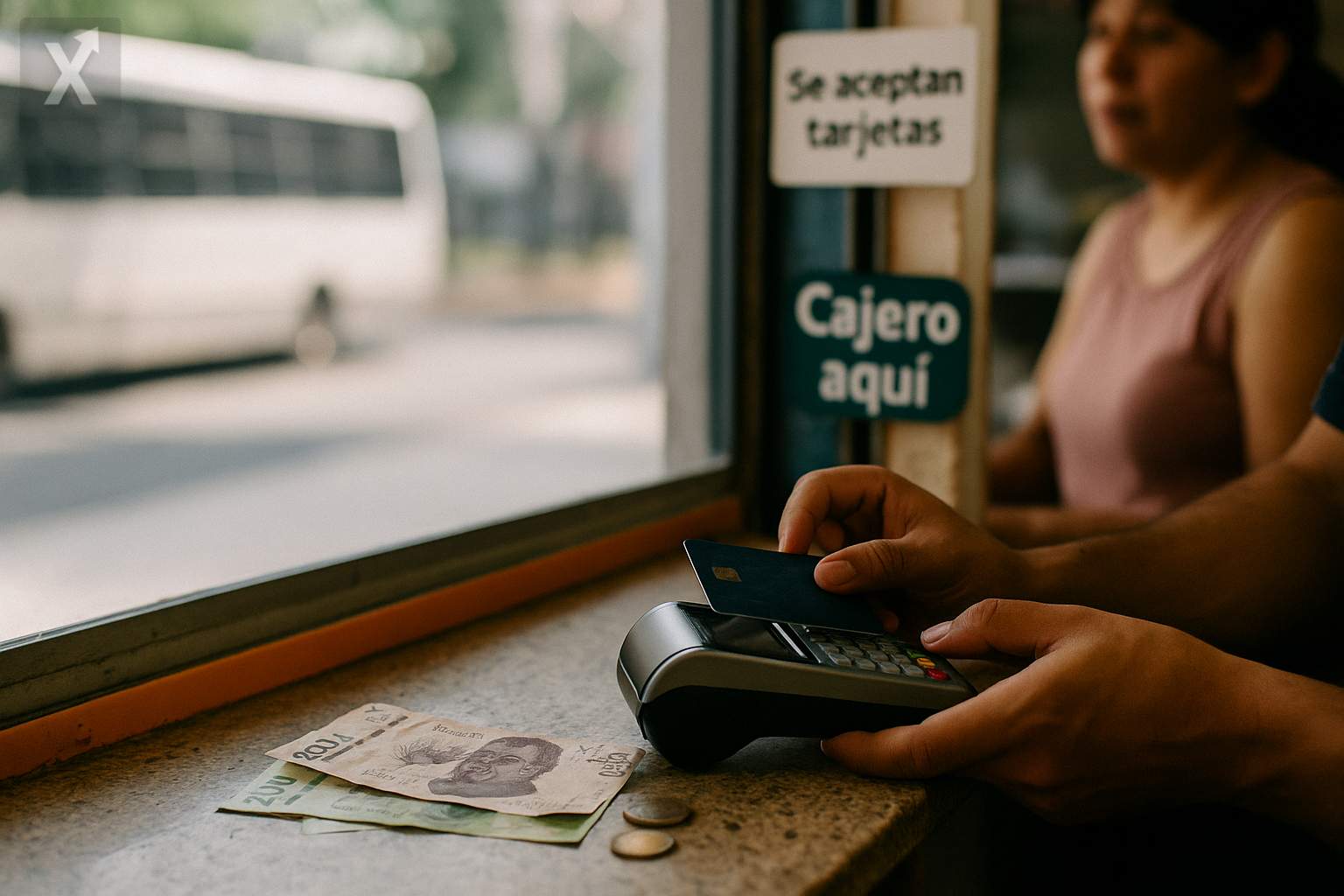
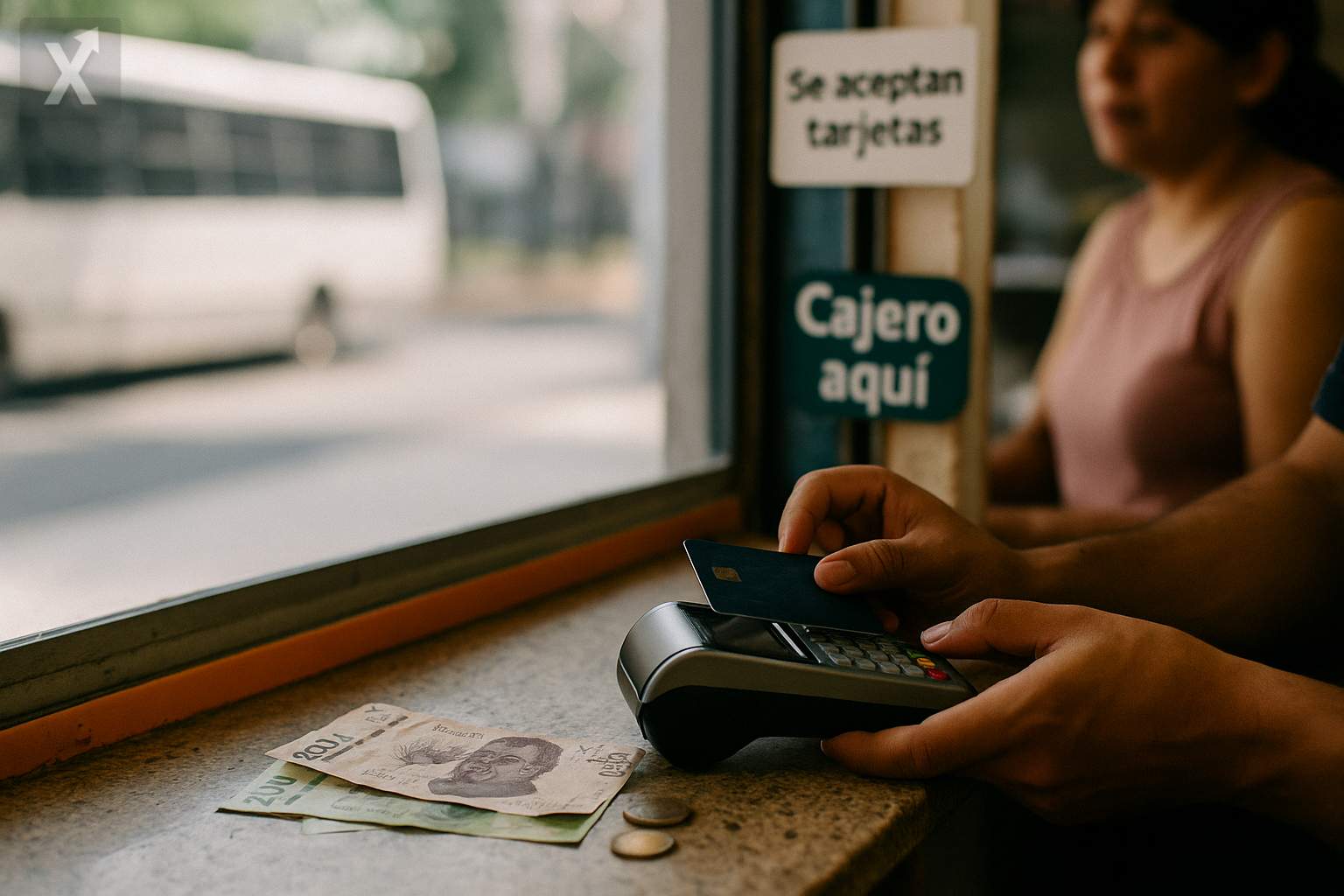
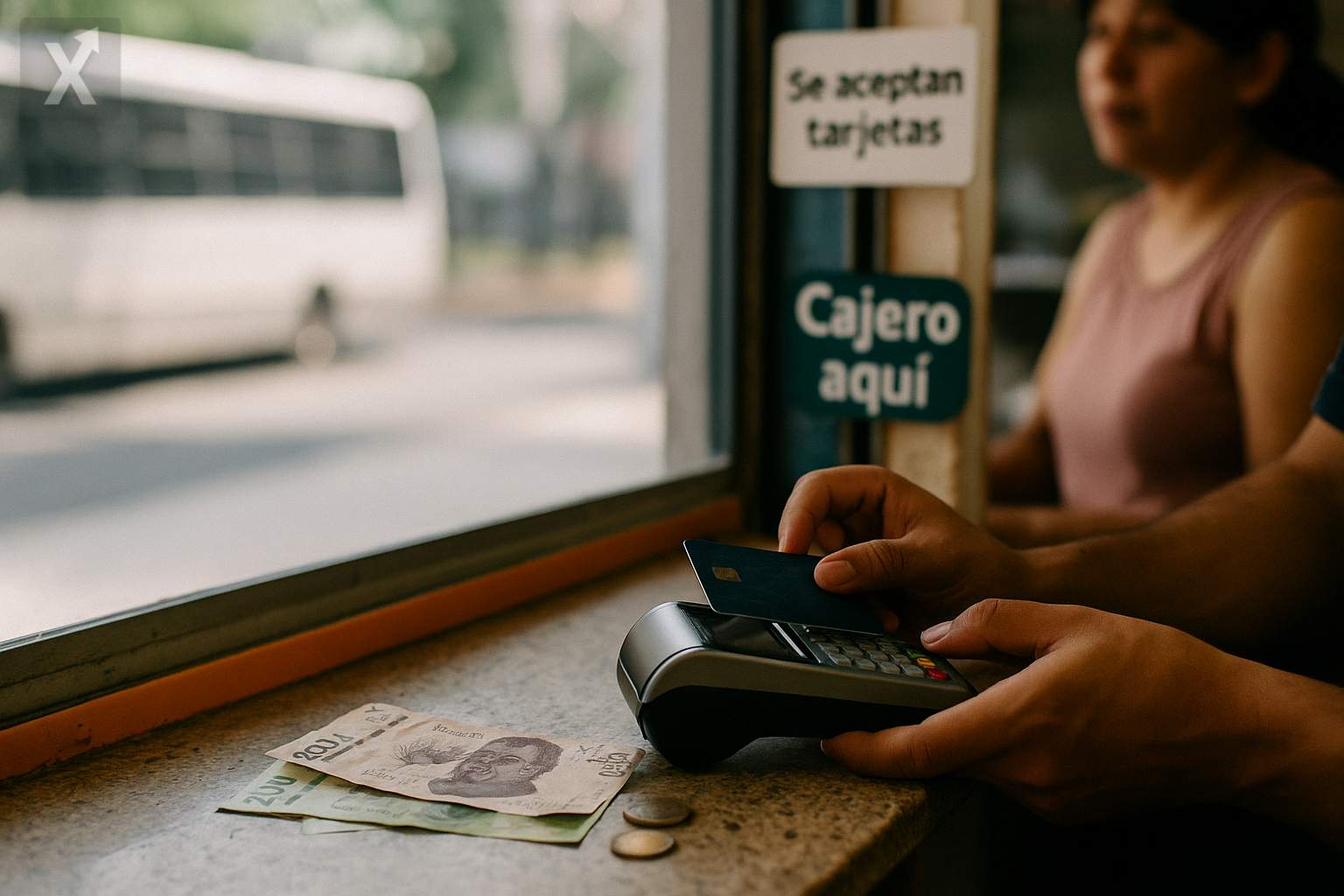
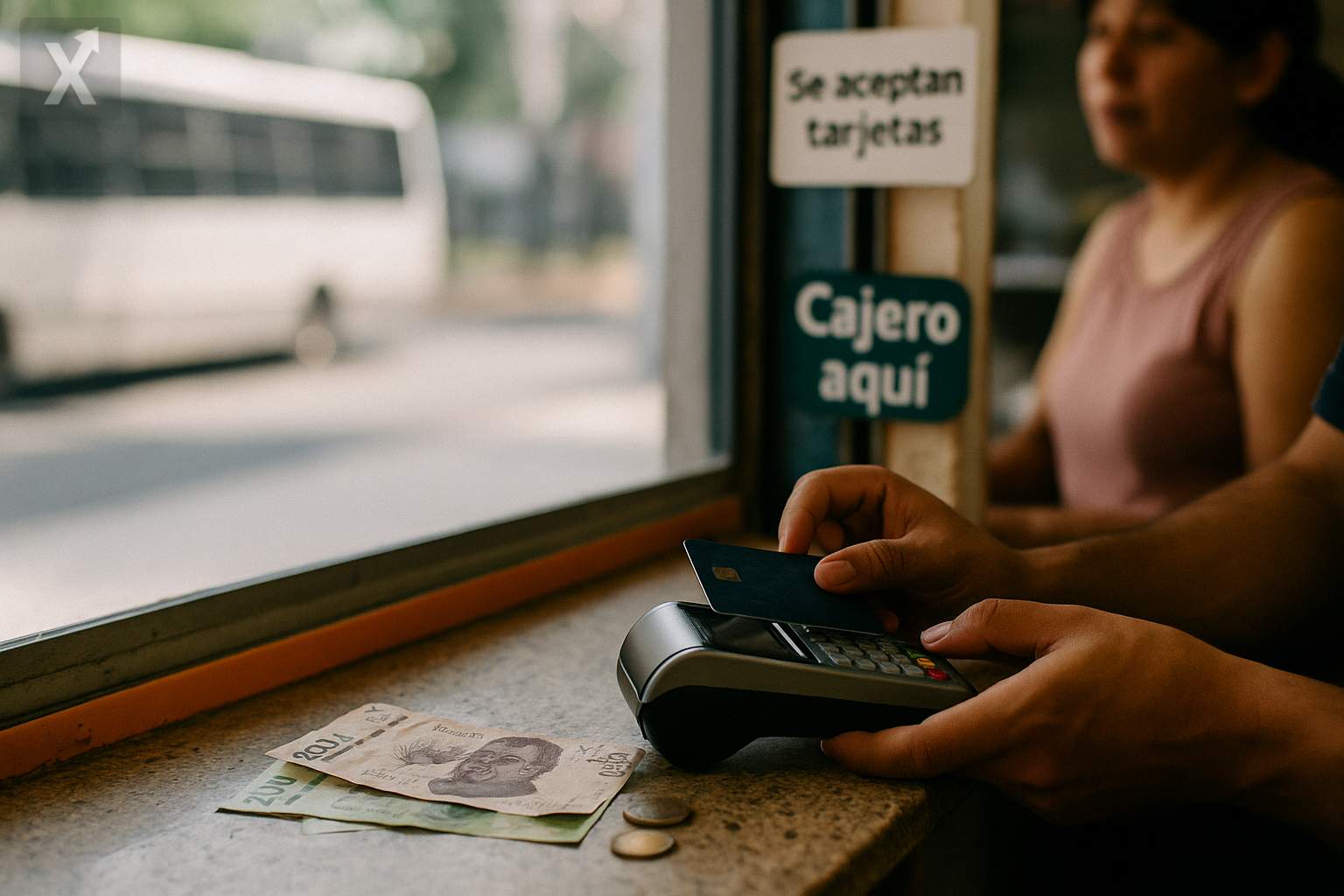
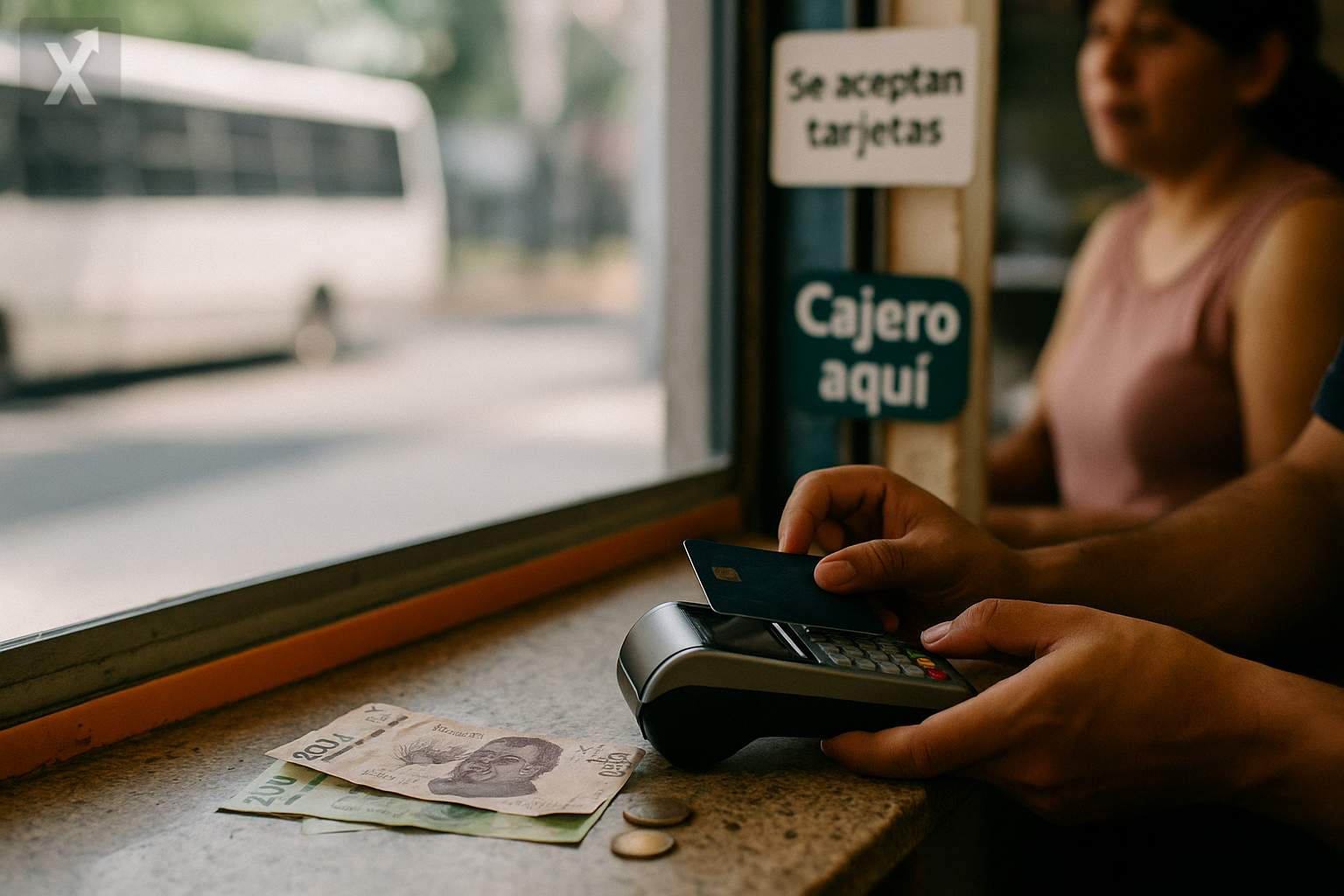
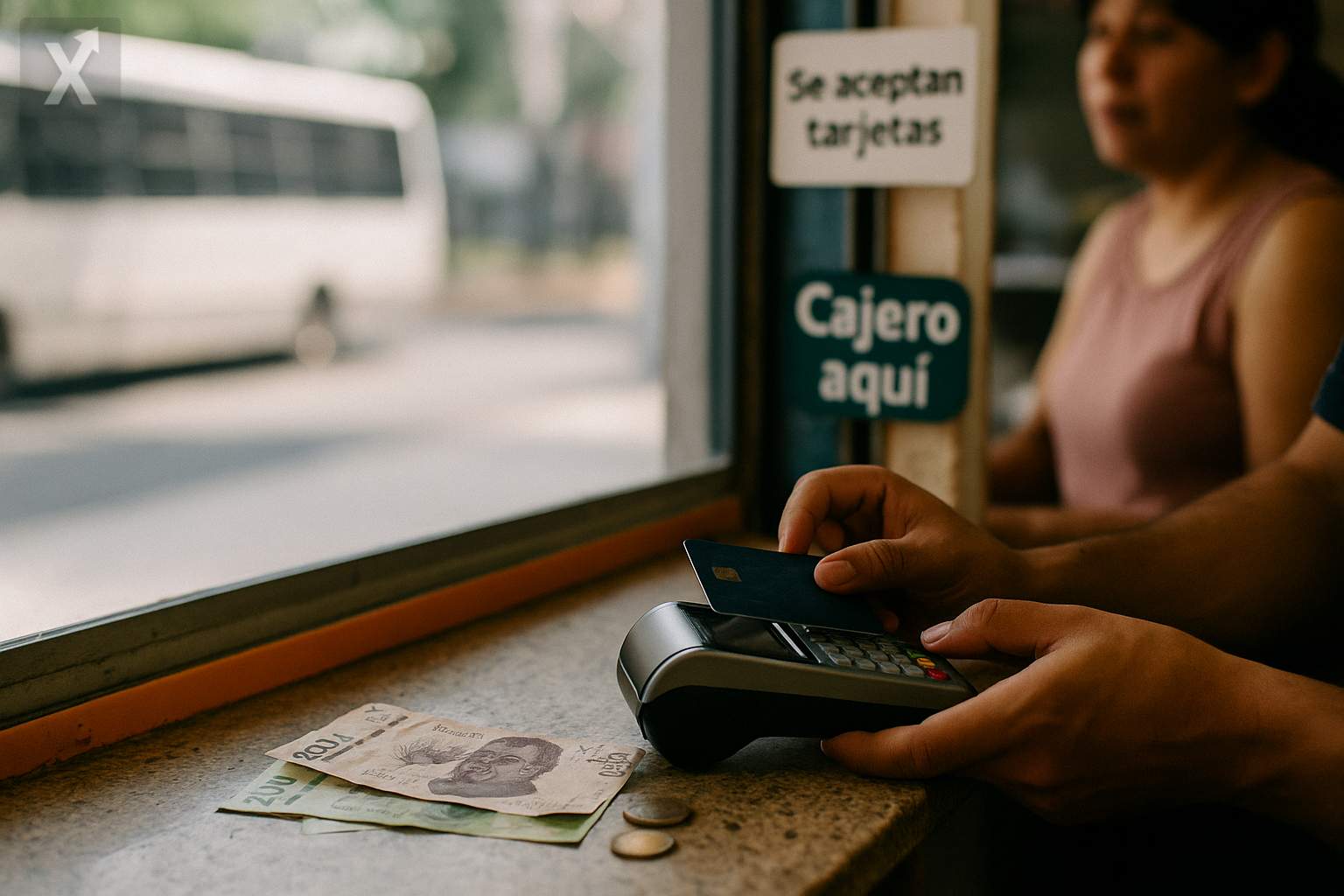
Interest in these awards often goes beyond aesthetics: at its core, it also reflects how central banks compete on innovation to protect physical cash against counterfeiting while also keeping it attractive and practical in an increasingly digital world. Although the use of transfers and card payments is growing in Mexico—driven by tools like CoDi, mobile banking, and the expansion of point-of-sale terminals—cash remains essential for millions of daily transactions, particularly in retail trade and among groups with more limited access to financial services.
The IBNS sets clear rules: the banknote must have entered circulation for the first time in the nomination year (2025), it must be intended for everyday use (not commemorative), and it is judged on both artistic merit—balance, colors, contrast, and composition—and security and manufacturing features. IBNS members vote online, with each assigning three ranked preferences under a points system; the design with the highest score earns the annual recognition.
Among the nominees are, for example, a Chinese 20-yuan note featuring a red-and-green palette and Spring Festival motifs, as well as a Caribbean 200-florin note with marine elements and an iconic bridge. The United Arab Emirates is competing with a 100-dirham note that blends historical symbols with modern infrastructure—such as a train and port activity—while other polymer and paper notes also appear from territories and countries including the Falkland Islands, Libya, Macau, Bangladesh, Kazakhstan, Iran, Papua New Guinea, and Belize, many of them featuring security threads, watermarks, and advanced finishes.
For Mexico, this kind of contest serves as an indirect gauge of global trends in banknote issuance: greater use of polymer substrates, more layers of public-facing authentication (transparent windows, tactile relief, dynamic inks), and designs built to withstand wear and tear. Banco de México, for its part, has in recent years shifted toward a family of banknotes centered on historical narratives and ecosystems, along with incremental upgrades to security features, in a context where fighting counterfeiting is an ongoing priority and where greater durability translates into lower replacement costs.
The cash debate, however, is not just about design. In Mexico’s macroeconomic environment, changes in consumption, inflation, and the cost of financing also shape preferences for payment methods. With monetary policy remaining tight to lock in disinflation and with growth depending to a significant extent on domestic demand and on North America–linked manufacturing momentum, currency in circulation remains a relevant indicator: it tracks the pace of commerce, but it also coexists with an economy that still shows high levels of informality.
Looking ahead, the rise of digital payments and potential modernization of payment-collection infrastructure will not necessarily displace banknotes in the short term; rather, Mexico is likely to maintain a hybrid setup. In that scenario, central banks face a dual challenge: ensuring cash is secure, accessible, and durable, while also enabling trustworthy, low-cost digital alternatives. The international race for the “most beautiful banknote” ultimately becomes a showcase of that effort—projecting identity, strengthening security, and sustaining public confidence in money.
In sum, the IBNS competition puts a timely conversation on the table for Mexico: cash continues to play a central role in everyday life, even as digitization advances. Design and anti-counterfeiting measures are not luxuries but part of the country’s economic infrastructure; their evolution signals where the banknote industry is headed in a country moving gradually toward a more modern—though still uneven—payments ecosystem.